
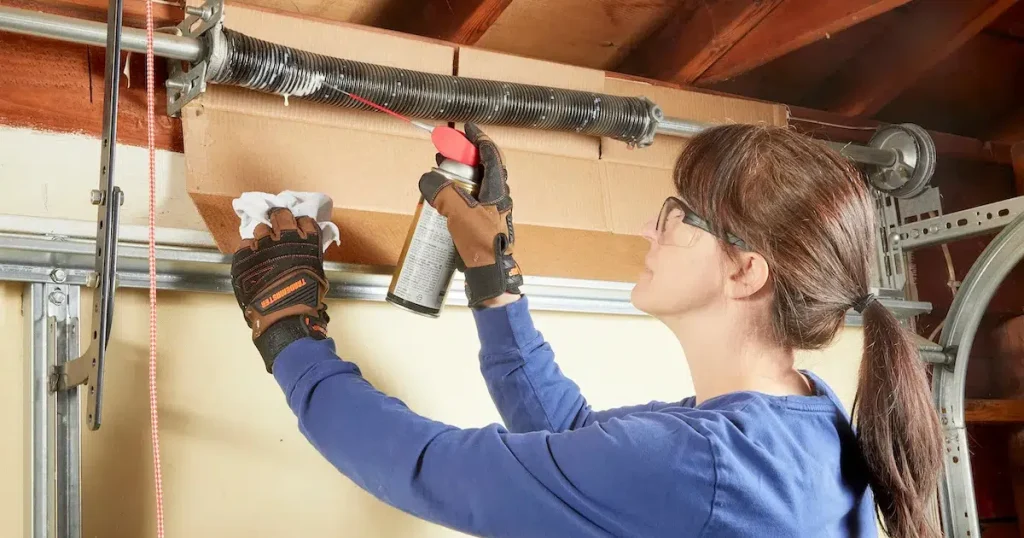
Rust on a garage door spring is one of the most common problems seen in homes across San Francisco, and the reason comes down to one main thing: moisture meets metal. Overhead door springs are made of tightly wound steel that sits under heavy tension every single day. When that steel is exposed to damp coastal air, salt, and changing temperatures, tiny amounts of corrosion start to form. Over months and years, that corrosion eats away at the metal and weakens the spring.
San Francisco homes face this faster than homes in dry inland areas. The fog, the ocean breeze, and the cool damp garages found all over the city create the perfect setting for rust to take hold. The same coastal conditions affect businesses too, which is why local shops and warehouses often need commercial door replacement and commercial door installation handled by pros who understand the climate. The good news is that once a homeowner understands why it happens, the problem becomes much easier to slow down and manage.
Here is a clear, honest breakdown of why this happens, what the warning signs look like, and how to protect the hardest working part of any garage door system.
What Rust Actually Does to Your Springs
A garage door spring does a huge amount of work. Every time the door goes up or down, the spring stretches or coils to lift hundreds of pounds of weight. That job depends on the steel staying strong and smooth.
Rust changes that. It does three damaging things:
- It flakes away the metal, making the spring thinner and weaker.
- It creates rough, pitted spots where the coils rub together.
- It speeds up the natural wear that comes from daily use.
A rusted spring is a tired spring. It loses strength, snaps sooner, and puts extra strain on the rest of the door. That is why staying on top of overhead door maintenance matters so much in a damp climate like the Bay Area.
Want to dig deeper into this? Take a look at the guide “How Rusted Springs Cause Overhead Door Repairs“ to see exactly how corrosion turns into bigger problems down the line.
7 Reasons Overhead Door Springs Rust Over Time
1. Bay Area Fog and Trapped Moisture
San Francisco is famous for its fog, and that fog carries a surprising amount of water in the air. When that damp air settles inside a garage, it clings to cold metal surfaces. Steel springs sit there day after day, slowly soaking up that moisture.
Water is the number one cause of rust. The more humid a garage stays, the faster overhead door springs begin to corrode. Homes near the coast, in neighborhoods like the Sunset, Richmond, and Outer Sunset, tend to see this happen the quickest because the marine layer rolls in so often.
2. Salt Air Drifting In From the Coast
Living near the ocean has plenty of perks, but salt in the air is not one of them when it comes to metal. Salt is highly corrosive. It speeds up the rusting process and makes it bite deeper into the steel.
Even a garage that sits a few miles from the water still gets traces of salt carried in on the breeze. Over time, that salty moisture settles on the coils and accelerates the damage. This is one reason garage door springs in San Francisco often wear out sooner than springs in dry, inland cities.
3. The Factory Coating Wears Off
Most quality overhead door springs come from the factory with a protective coating. Some are galvanized, others come with a black powder or oil coating. That layer acts like a raincoat, keeping moisture off the bare metal.
Here is the catch: that coating does not last forever. Every open and close cycle causes the coils to flex and rub. Slowly, the protective layer thins out and breaks down. Once bare steel is exposed, rust has an open door. This is a normal part of a spring’s life, and it is exactly why regular overhead door maintenance helps extend how long the protection lasts.
4. Not Enough Lubrication
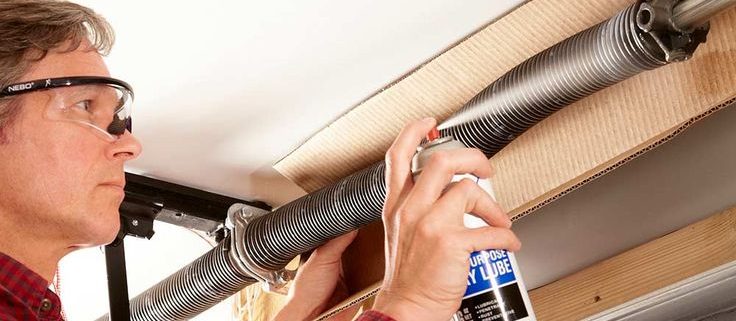
Lubrication does more than keep a door quiet. A proper coating of garage door lubricant also adds a thin barrier that helps repel moisture from the spring.
When a spring goes dry, two things happen at once. The metal sits exposed to damp air, and the coils grind against each other with more friction. Both of these speed up rust and wear. A spring that never gets lubricated can show heavy corrosion years before it should. Keeping the coils lightly coated is one of the easiest steps in any overhead door maintenance routine.
5. Temperature Swings and Condensation
San Francisco mornings can be cold and foggy, then warm up by midday. That back and forth causes condensation, which is the same thing that makes a cold glass of water sweat on a warm day.
When warm, moist air meets a cold metal spring, tiny water droplets form right on the surface. That moisture sits in the coils and feeds rust. Garages that are not insulated tend to swing in temperature the most, which means more condensation and more corrosion over time.
6. Plain Old Age and Metal Fatigue
Even with perfect care, no spring lasts forever. Most standard overhead door springs are rated for around 10,000 open and close cycles, which works out to somewhere between seven and twelve years for a typical household.
As a spring ages, the steel becomes brittle and small cracks form. Rust loves these weak spots and settles into them. Older springs that have been through years of foggy Bay Area weather often show rust simply because they have reached the natural end of their service life. When that point arrives, overhead door spring replacement becomes the safest and most reliable fix.
7. Poor Garage Ventilation
A garage that traps damp air becomes a rust factory. Without airflow, moisture has nowhere to go. It settles on every metal surface and stays there.
Many San Francisco garages are tucked underneath the home or built without windows, which limits fresh air. That trapped humidity keeps the springs damp far longer than they should be. Good airflow is a quiet hero in slowing down rust, and it is something many homeowners never think about.
Not sure what a worn out spring actually looks like? The guide “What Are Signs of Failing Overhead Door Springs?” breaks down the clues every homeowner should know.
Warning Signs You Should Never Ignore
Catching trouble early can save a homeowner from a sudden, frustrating breakdown. Watch for these signs:
- Orange or reddish flaking on the spring coils.
- A loud bang from the garage, which can mean a spring has snapped.
- The door feels heavier than usual or struggles to lift.
- Gaps between the coils on a torsion spring, which can point to a break.
- Squeaking or grinding that does not go away after lubricating.
If any of these show up, it is time to slow down and take a closer look. A weak or rusted spring under tension can be dangerous, so caution matters here.
Curious just how risky a snapped spring really is? The guide “Are Broken Overhead Door Springs Dangerous?” explains what is at stake and why caution matters so much.
What to Check on Your Own (Safely)
A homeowner can do a quick visual check without touching anything risky. The key word is visual. Springs hold enormous tension, so they should never be adjusted or removed by anyone without training.
Here is a safe checklist:
- Look at the color. Healthy springs look clean and coated. Rusty ones look orange, rough, or pitted.
- Listen as the door moves. New squeaks or grinding can signal dryness or wear.
- Watch the balance. A door that slams down or struggles up may have a failing spring.
- Scan for gaps. A clear separation in a coil usually means a break.
- Check the area around the spring for rust dust or flakes on the floor.
If anything looks off, stop there. Hands-on repair of a tensioned spring is a job for a trained technician. This is the point where professional Overhead Door Repairs come into play, because the risk of injury from a spring under load is very real.
Simple Habits That Slow Down Rust
Rust cannot be stopped completely in a coastal climate, but it can be slowed down a lot. These easy habits make a real difference:
- Lubricate two to three times a year. Use a garage door specific lubricant on the coils, and avoid heavy grease that collects dirt.
- Keep the garage as dry as possible. A small dehumidifier helps in damp San Francisco garages.
- Improve airflow. Cracking a window or adding a vent lets moisture escape.
- Wipe down the springs. A quick wipe to remove dampness and grime helps the coating last.
- Schedule yearly overhead door maintenance. A trained eye spots early rust and small problems before they grow.
A little attention spread across the year goes a long way. Consistent overhead door maintenance is far cheaper and easier than dealing with a snapped spring at the worst possible moment.
When to Call a San Francisco Professional
Some issues are simply not safe to handle alone. Call a local professional when:
- The spring shows heavy rust, deep pitting, or visible cracks.
- The door will not open, or it opens unevenly.
- A loud bang signals a possible break.
- The spring has passed its expected lifespan of seven to twelve years.
A San Francisco technician understands how the local fog and salt air affect garage hardware, and that local knowledge matters. When a spring reaches the end of its life, overhead door spring replacement done by a pro restores safe operation and protects the rest of the system. Professional Overhead Door Repairs also catch hidden problems, such as worn cables or rollers, that often fail around the same time.
On average cost, a spring replacement is far less expensive than the damage caused by a door that crashes down or an opener that burns out trying to lift a broken system. Spending on prevention through overhead door spring replacement and routine service almost always saves money in the long run.
Stay Ahead of Rust and Protect Your Garage Door
Overhead door springs rust over time because steel and moisture do not get along, and San Francisco delivers plenty of moisture through fog, salt air, and cool damp garages. The protective coating wears off, lubrication dries up, temperatures swing, and age takes its toll. Put it all together and rust becomes almost unavoidable in a coastal climate.
The smart move is not to panic but to stay aware. Regular checks, good lubrication, better airflow, and yearly service keep springs strong for as long as possible. The same care applies to business properties, where commercial door repair and well built sectional doors keep daily operations running without a hitch. And when the time comes for overhead door spring replacement, trusting a local professional keeps the home safe and the door running smoothly for years to come. Staying ahead of rust with simple overhead door maintenance is the easiest way for any San Francisco homeowner to avoid a sudden, costly surprise.
Trust the Local Experts for Your Garage Door
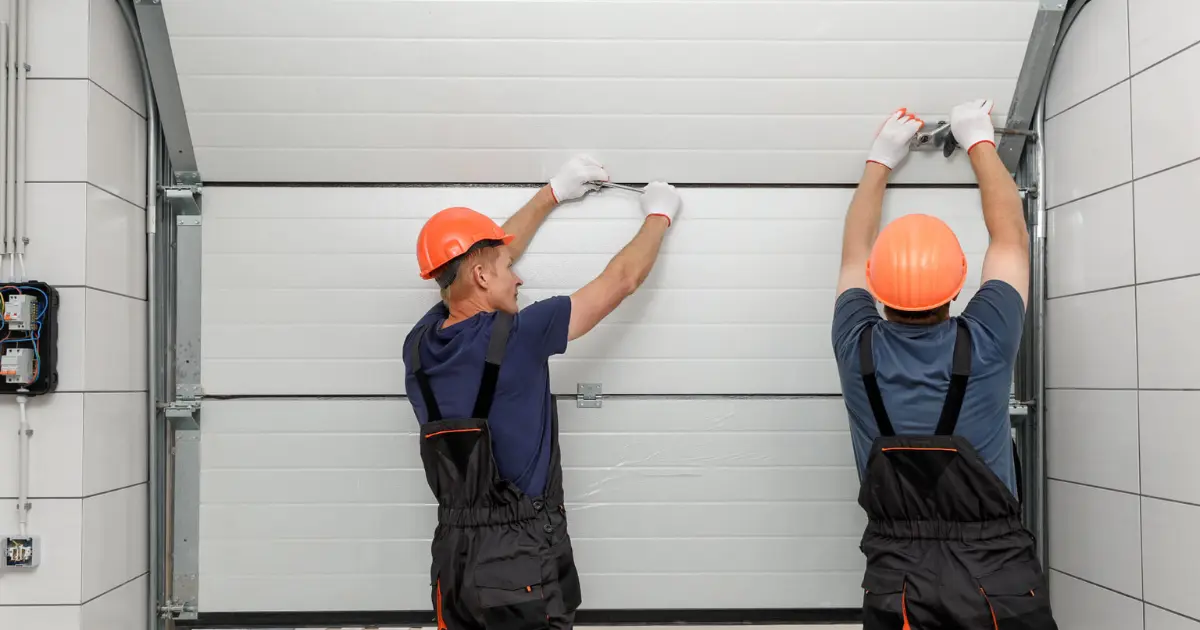
When rust starts to take its toll, The Door Doctor is the name San Francisco homeowners trust to keep their garage doors safe and running smoothly. The friendly local team understands how Bay Area fog and salt air affect garage hardware, offering honest advice and expert overhead door spring replacement every time. Do not wait for a snapped spring to slow you down. Contact us today or give us a call to schedule your service.