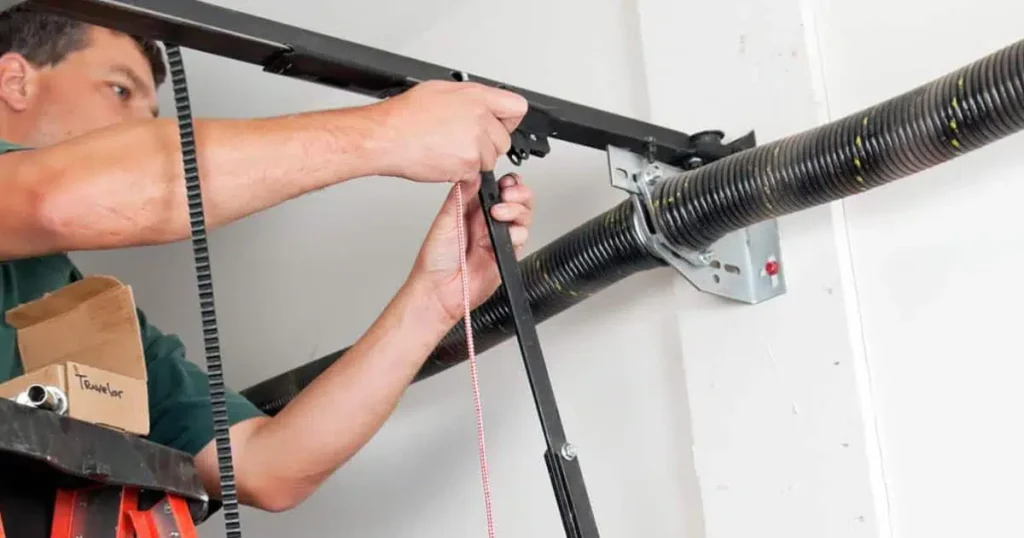
Your garage door is the heaviest moving part of your home. Most of that weight, sometimes 150 pounds or more, is held up by a small set of springs. When those springs start to fail, the whole door turns into a safety problem fast. For homeowners in San Francisco, the cool fog, salty coastal air, and steep hilly streets all put extra stress on these parts.
Knowing the early warning signs of failing overhead door springs can save you from a stuck car, a surprise repair bill, or even an injury. This guide breaks down the top signs to watch for, what to check on your own, and how to keep your door running smoothly for years. The same care applies to business owners too, since the same warning signs often point to the need for commercial door replacement or fresh commercial door installation when a system is past its prime.
A Quick Word on Why Overhead Door Springs Matter
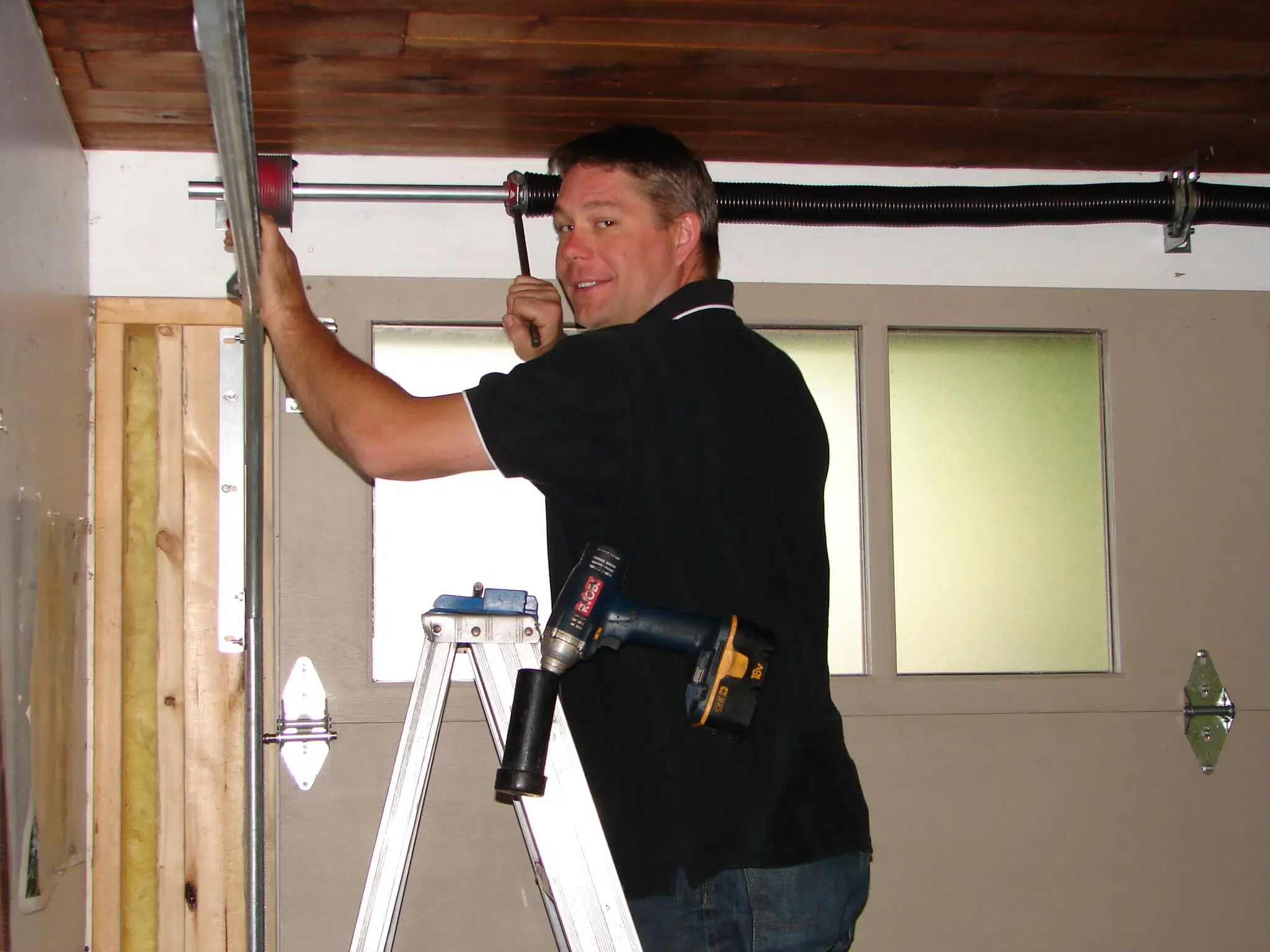
Overhead door springs do the heavy lifting every single time your door goes up or down. They store and release energy so the motor (or your arm) does not have to fight the full weight of the door. Without healthy springs, your opener can burn out, and the door can become dangerous.
There are two common types. Torsion springs sit on a metal bar above the door and twist to create lifting power. Extension springs run along the tracks on each side and stretch out as the door closes. Both wear down over time. A typical spring is rated for about 10,000 cycles, which is roughly seven to ten years of normal use. One cycle equals one full open and one full close.
San Francisco adds its own twist to this. The marine layer keeps the air damp, and homes near Ocean Beach, the Sunset, or the Richmond District deal with salty moisture that speeds up rust. Rust eats away at the metal coils and shortens their life. Older Victorian and Edwardian homes across the city often have garages that were converted or updated years ago, so the hardware may be due for a refresh. Good overhead door maintenance matters more here than in dry inland areas.
Want the full story on rust damage? Check out the related guide, “How Rusted Springs Cause Overhead Door Repairs,” for a deeper look.
7 Signs of Failing Overhead Door Springs
1. The Door Feels Heavy or Will Not Open
This is the most common early clue. When you try to lift the door by hand (with the opener disconnected) and it feels like dead weight, the springs have likely lost their tension. A balanced door should feel light, almost like it is helping you. If your automatic opener strains, hums, or simply gives up, the springs may no longer be doing their job.
Tip: Never force the door open with the opener over and over. That can damage the motor and the gears.
2. You Hear a Loud Bang from the Garage
A failing torsion spring often snaps with a sound like a firecracker or a gunshot. Many San Francisco homeowners report hearing this loud bang from inside the house, sometimes in the middle of the night when temperature drops cause the metal to contract. If you hear that sound and your door stops working soon after, a broken spring is the likely cause.
What to do: Stop using the door. A door with one broken spring is unsafe and can fall.
3. There Is a Visible Gap or Break in the Spring
Walk into your garage and look at the spring above the door. A healthy torsion spring is one tight, continuous coil. If you see a two to three inch gap in the middle, the spring has snapped. For extension springs, look for a stretched out, separated, or dangling coil. A clear break is one of the surest signs you need overhead door spring replacement.
4. The Door Opens Crooked or Uneven
If one side of the door lifts faster than the other, or the door looks slanted as it moves, the springs may be wearing unevenly. On a two spring system, one weak or broken spring forces the other to do all the work. This puts strain on the cables, rollers, and tracks, and it can lead to bigger overhead door repairs if ignored.
5. The Door Falls or Slams Shut Quickly
A door with healthy springs should close in a slow, controlled way. When springs lose tension, gravity takes over and the door can drop fast. This is a serious safety hazard, especially in homes with kids, pets, or cars parked underneath. If your door slams down, keep everyone clear and call a professional.
6. Loud Squeaking, Grinding, or Popping Noises
New noises are your door asking for help. Squeaking can point to dry, rusty coils, which is common in foggy SF neighborhoods. Grinding or popping can mean the springs are struggling or the coils are starting to break apart. Regular overhead door maintenance, like light lubrication, often quiets these sounds, but loud and sudden noises deserve a closer look.
7. The Door Stops Partway and Will Not Stay Up
Open the door halfway and let go (carefully). A balanced door should hold its position. If it drifts down or shoots up, the spring tension is off. This loss of balance is an early sign that the springs are wearing out and that overhead door spring replacement may be coming soon.
Curious about what speeds up this wear? The related guide, “Why Do Overhead Door Springs Rust Over Time?” explains the causes in plain terms.
What to Check Before Calling a Pro (Safe DIY Inspection)
You can safely inspect your overhead door springs without touching them. Springs hold huge amounts of energy, so adjusting or removing them yourself is dangerous and is best left to trained techs.
Here is a safe checklist:
- Look for rust and gaps. Scan the coils for orange rust spots or a visible break. Coastal SF air makes rust a frequent problem.
- Listen during operation. Run the door once and note any new bangs, grinding, or squeaks.
- Test the balance. Disconnect the opener using the red emergency release cord, then lift the door halfway by hand. See if it holds.
- Check the cables. Frayed or loose cables near the springs are a warning sign.
- Watch the movement. Notice if the door tilts, jerks, or moves unevenly.
If anything looks or sounds off, stop using the door and reach out for help. Trying to fix springs yourself is a leading cause of garage injuries.
Want to know just how serious a snapped spring can be? The related guide, “Are Broken Overhead Door Springs Dangerous?” breaks down the real risks.
How to Avoid Failing Overhead Door Springs
Springs will wear out eventually, but smart habits can stretch their life. Good care also lowers your chances of needing emergency overhead door repairs at the worst possible time.
- Schedule yearly tune-ups. A pro can spot weak coils, adjust tension, and catch small issues early. This is the heart of solid overhead door maintenance.
- Keep the springs lubricated. A light coat of garage door lubricant a few times a year reduces friction and fights rust. This is even more important near the coast, where salty fog speeds up corrosion.
- Watch your usage. If your family opens the door many times a day, the springs reach their cycle limit faster. Consider this when planning replacements.
- Control moisture. In damp SF garages, good airflow and keeping the door sealed help slow rust. Wiping down visible coils now and then helps too.
- Replace springs in pairs. If you have a two spring system and one breaks, the other is usually close behind. Replacing both at once saves a second service trip and keeps the door balanced.
- Do not ignore small signs. A faint squeak or a slightly heavy door is a cheap fix today and an expensive one later.
What Does Overhead Door Spring Replacement Look Like?
When a spring fails, replacement is the standard fix. A qualified technician removes the broken spring, installs a new one rated for your door’s weight and cycle needs, and then sets the correct tension. They also check the cables, rollers, drums, and balance to make sure the whole system works as one.
This is not a beginner DIY project. Torsion springs are wound under extreme tension, and a slip can cause serious harm. That is why most San Francisco homeowners trust a licensed garage door company for overhead door spring replacement.
As for cost, the average cost for spring replacement varies based on the type of spring, the door size, and whether you replace one or both. Higher cycle springs cost a bit more up front but last longer, which is a smart choice for busy households. A reputable local company will give you a clear quote before any work begins.
When to Call a San Francisco Garage Door Expert
Call a pro right away if you notice any of these:
- A loud bang followed by a door that will not open
- A visible gap or break in the spring
- A door that slams shut or falls fast
- A door that lifts crooked or gets stuck partway
- Frayed cables near the spring
Acting fast keeps your family safe and keeps a small problem from turning into bigger overhead door repairs. Local techs also understand San Francisco’s unique mix of older homes, hilly access, and coastal weather, so they can match the right parts to your setup.
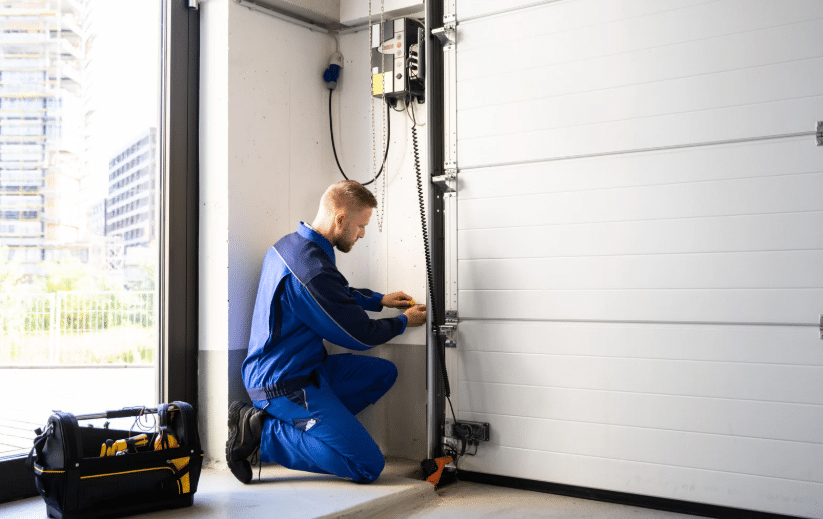
Keep Your San Francisco Garage Door Safe and Reliable
Overhead door springs work hard and quietly until the day they do not. Learning these warning signs, doing simple safe checks, and keeping up with overhead door maintenance will help your door last longer and stay safe. When the time comes for a real fix, leave the heavy lifting to a trained San Francisco pro who can handle overhead door spring replacement the right way. The same goes for businesses that rely on commercial door repair or sturdy sectional doors to keep daily operations moving. A little attention now goes a long way toward a door that opens smoothly every single time.
Trust Your Door to a Local Team That Cares
The Door Doctor is known across San Francisco for friendly service, honest advice, and repairs that last. The skilled team understands the city’s coastal weather and older homes, bringing the right parts and know-how to every job, from a simple tune-up to full overhead door spring replacement. Do not let a small spring problem turn into a big one. Contact us today or give us a call to keep your garage door running smoothly.