
San Francisco has a beauty problem hiding in plain sight. That cool ocean fog rolling in over the Sunset and Richmond districts feels refreshing, but it carries salt and moisture that slowly chew through metal. Garage hardware sits right in the path of all that damp air, and the parts under the most stress tend to fail first. More often than not, those parts are the springs. The same salty conditions that wear down home garage doors also push many local businesses toward commercial door replacement and professional commercial door installation sooner than expected.
Most homeowners never think about their garage door until it stops working. Then a stuck door, a loud bang, or a door that suddenly feels like it weighs a ton sends them scrambling. Behind a surprising number of those service calls sits one quiet culprit: rust. Understanding how corrosion attacks overhead door springs can save a lot of money, stress, and even prevent a dangerous accident. Here are seven things worth knowing.
Why Rust Targets Overhead Door Springs First
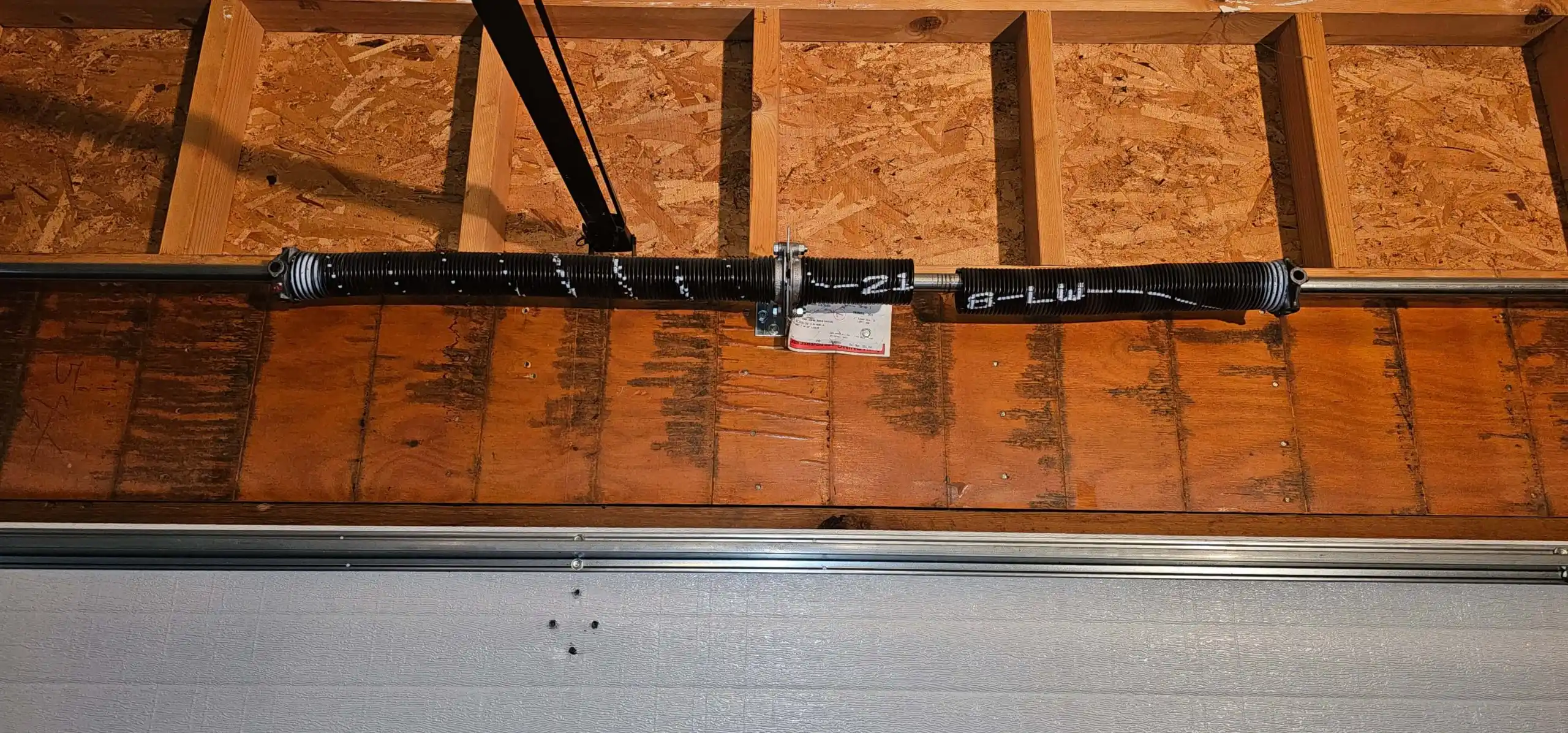
Springs do the heaviest lifting in the entire system. A residential garage door can weigh well over 150 pounds, and the springs are what counterbalance that weight so the door glides up and down with ease. To pull off that job, springs stay under constant, intense tension every single day.
That tension is exactly what makes rust so dangerous on this particular part. Corrosion does not just make metal look ugly. It actually weakens the steel from the inside out, creating tiny pits and cracks along the surface. When metal already stretched to its limit starts losing strength, failure becomes a matter of when, not if.
Coastal moisture makes the timeline shorter. Salt-laced fog settles on the coils, sits in the gaps, and speeds up the chemical reaction that turns strong steel into brittle, flaky metal. This is why overhead door springs in damp climates wear out faster than the same parts would in a dry desert town.
Want a deeper look at the science behind it? Check out the blog “Why Do Overhead Door Springs Rust Over Time?“ for the full breakdown.
The Warning Signs of Rusted Overhead Door Springs
Rust rarely shows up overnight. It creeps in, and the door usually drops hints long before anything snaps. Catching these early is the difference between simple overhead door maintenance and a major repair.
Watch for these signals:
- Orange or brown flaking. A light dusting of surface rust on the coils is the first red flag. If flakes fall off when touched, the corrosion has already gone deeper.
- Squeaking or grinding. Healthy springs move quietly. Rust creates friction, and friction creates noise.
- A door that feels heavy or jerky. When a spring loses strength, the door no longer lifts smoothly. It may feel sluggish or stop partway.
- Uneven movement. A door that lifts crooked or sits at a slight angle often points to a spring losing tension on one side.
- Visible gaps in the coils. Springs are wound tight. Separated or stretched coils are a serious warning that should never be ignored.
Spotting even one of these signs is a good reason to take a closer look or call a professional.
For a complete checklist worth bookmarking, read the blog “What Are Signs of Failing Overhead Door Springs?” next.
How One Rusted Spring Snowballs Into Bigger Overhead Door Repairs
A rusted spring almost never stays a one-part problem. Once a spring weakens, the whole system has to compensate, and that extra strain spreads damage everywhere.
Picture it like a team carrying a heavy load. When one member gets tired, the others pick up the slack until they wear out too. A weak spring forces the cables, rollers, hinges, and opener to work harder than they were built to. The opener motor strains and overheats. The cables fray. The rollers grind down. What started as a small patch of rust becomes a chain reaction of failing parts.
This is the reason Overhead Door Repairs so often turn out more expensive than expected. A homeowner calls about a noisy door, and the technician finds a corroded spring that already damaged three other components. Addressing rust early keeps a minor fix from snowballing into a full system overhaul. Ignoring it almost guarantees a bigger bill down the road.
Curious just how risky a failing spring can get? The blog “Are Broken Overhead Door Springs Dangerous?” explains exactly what is at stake.
What San Francisco Weather Does to Your Garage Hardware
Location matters more than most people realize. San Francisco’s marine climate is one of the toughest environments for metal hardware anywhere in California.
That famous fog, often nicknamed Karl by locals, is loaded with moisture and ocean salt. It rolls in nearly every day during the summer months and blankets entire neighborhoods. Homes in the Outer Sunset, the Richmond, and the Marina sit closest to the Pacific, so their garage hardware soaks up the most salt air. Even inland neighborhoods deal with high humidity thanks to the city’s many microclimates.
Older Bay Area homes add another wrinkle. Many of the city’s classic houses still run on their original garage hardware, sometimes decades old. That aging steel was not built to handle this many years of coastal exposure. Combine old metal with constant moisture, and rust gets a serious head start. Homeowners near the coast should treat overhead door maintenance as a regular habit, not a once-in-a-while afterthought.
What to Check Before Rust Becomes a Problem (DIY-Safe Inspection)
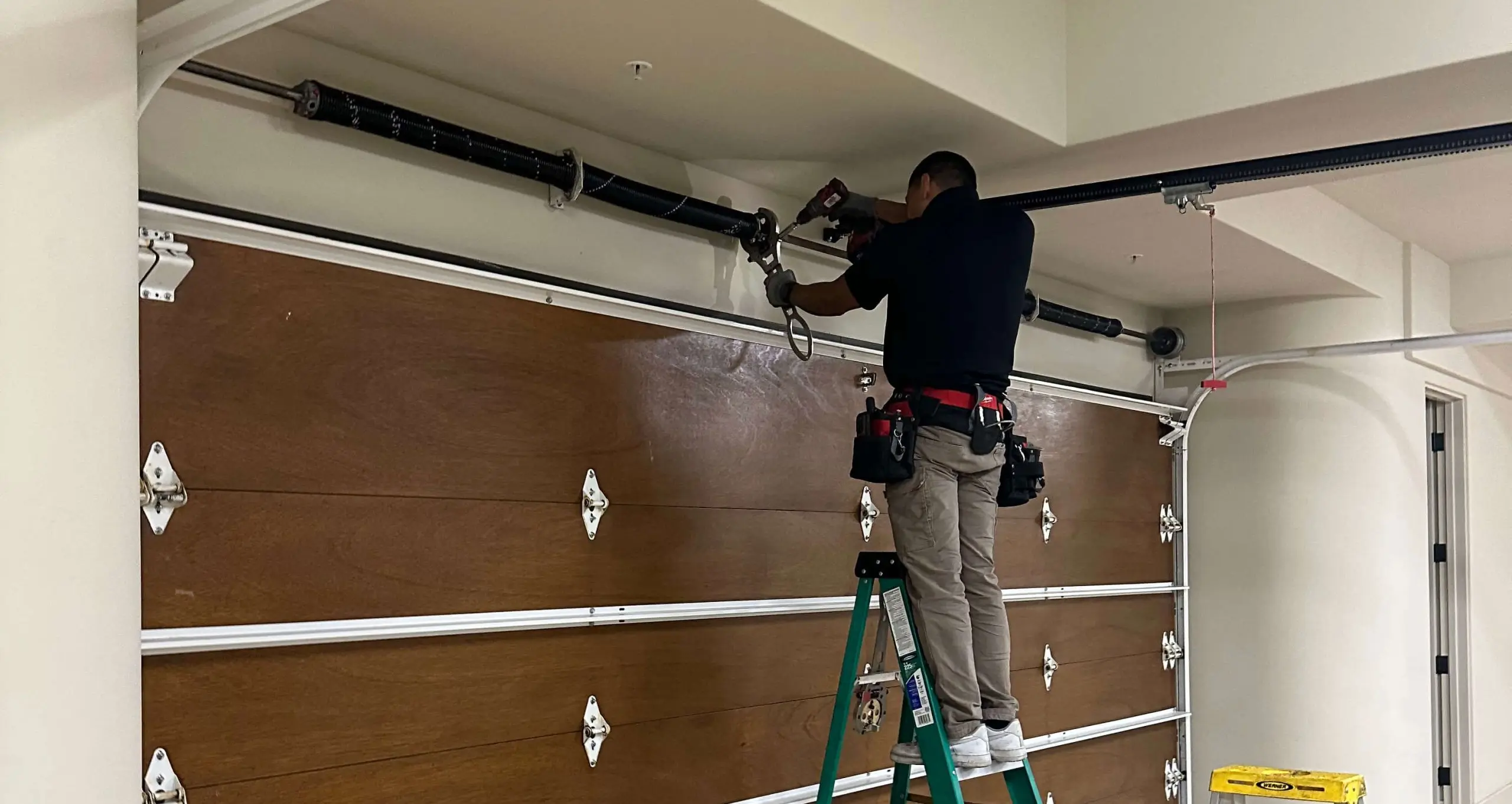
Plenty of garage checks are perfectly safe to do without any tools or training. A quick monthly look can catch trouble early. Just remember one rule above all: never touch, adjust, or loosen the springs themselves. They hold enough force to cause serious injury, and that part of the job belongs to a trained technician.
Here is a safe inspection routine anyone can follow:
- Look at the coils. Stand a few feet back and study the springs with a flashlight. Note any rust, flaking, gaps, or stretched sections. Take a photo so changes are easy to track over time.
- Listen during operation. Open and close the door while paying attention to new squeaks, grinding, or popping sounds.
- Run the balance test. With the door fully closed, pull the release cord to disconnect the opener, then lift the door by hand to about waist height. A healthy door stays put. A door that slams down or shoots up points to a spring losing its strength.
- Watch the movement. Notice whether the door rises evenly or hesitates and jerks along the way.
These checks take only a few minutes and reveal a lot. They will not fix anything, but they will tell you when it is time to bring in help.
Smart Overhead Door Maintenance That Slows Rust Down
Rust cannot be stopped completely in a coastal city, but it can be slowed way down with steady care. Good overhead door maintenance is the cheapest insurance available against costly repairs.
A few habits go a long way:
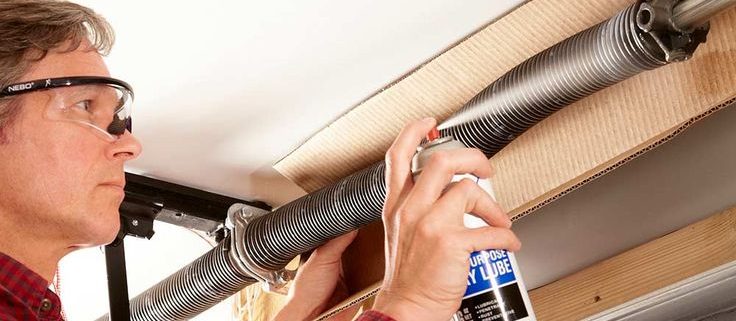
- Lubricate regularly. A quality garage-door lubricant applied to the springs, rollers, and hinges creates a protective barrier against moisture. Avoid heavy grease, which traps grime. A light coating every few months works best in foggy areas.
- Keep the garage dry and ventilated. Moisture is rust’s best friend. Good airflow, a working seal at the bottom of the door, and a dehumidifier in damp garages all help cut down condensation on the metal parts.
- Wipe away salt buildup. For homes near the ocean, gently wiping down visible hardware with a dry cloth removes the salty film that accelerates corrosion.
- Schedule seasonal checkups. A professional tune-up once or twice a year catches early wear and keeps the system balanced.
When rust has already taken hold, overhead door spring replacement becomes the safer long-term move. Trying to stretch a corroded spring a few more months usually ends with a snapped part at the worst possible moment. Planned overhead door spring replacement is always calmer and cheaper than an emergency one.
When to Call a Pro for Overhead Door Repairs
Some garage tasks are fine for a weekend. Spring work is not one of them. The tension stored in overhead door springs can launch a tool across a garage or cause a serious hand injury in a split second. This is the single most common cause of garage-related injuries, and it is exactly why professionals use special winding bars and safety steps that most homeowners do not own.
Call a trained technician when any of these show up:
- A spring shows heavy rust, visible gaps, or stretched coils
- The door fails the balance test
- One spring has already snapped (doors with two springs should have both replaced together)
- The door refuses to open or makes a loud bang during use
- The opener struggles, strains, or stops mid-cycle
On cost, the average price of overhead door spring replacement stays reasonable when handled before other parts get damaged. Waiting until rust spreads to the cables, rollers, and opener drives the average cost much higher. Acting early keeps Overhead Door Repairs affordable and the door safe.
When choosing help in the Bay Area, look for a licensed, insured, local technician with strong reviews and real experience handling coastal corrosion. A San Francisco specialist understands how salt air and fog affect hardware and will know what to look for that an out-of-town crew might miss.
Keeping Your Door Safe for the Long Haul
Rust is patient, and in a foggy coastal city it never really takes a day off. The good news is that homeowners hold most of the power here. Regular looks, simple overhead door maintenance, and quick action at the first sign of corrosion keep small problems from turning into major Overhead Door Repairs. The same care applies to businesses, where rust can lead to commercial door repair and early wear on sectional doors if left unchecked.
Healthy overhead door springs mean a door that opens smoothly, lasts longer, and keeps the household safe. A few minutes of attention each month, paired with a professional tune-up, protects one of the largest and most-used moving parts of any San Francisco home. When the springs need attention, leaning on a trusted local pro is always the smartest and safest choice.
Trusted Garage Door Care You Can Count On
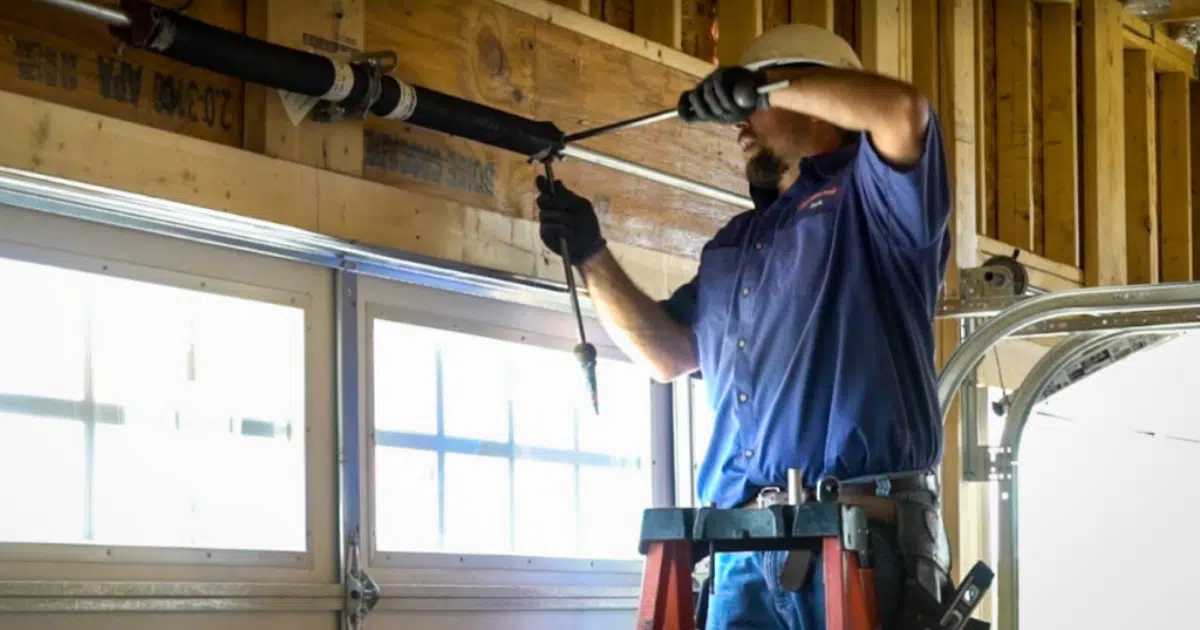
The Door Doctor has helped San Francisco homeowners keep their garage doors safe and rust-free for years. The team knows how the city’s salty fog wears down hardware, bringing honest advice, fast service, and real local expertise to every job, from a quick inspection to a full overhead door spring replacement. Contact us today or give us a call, and keep your garage door running like new.