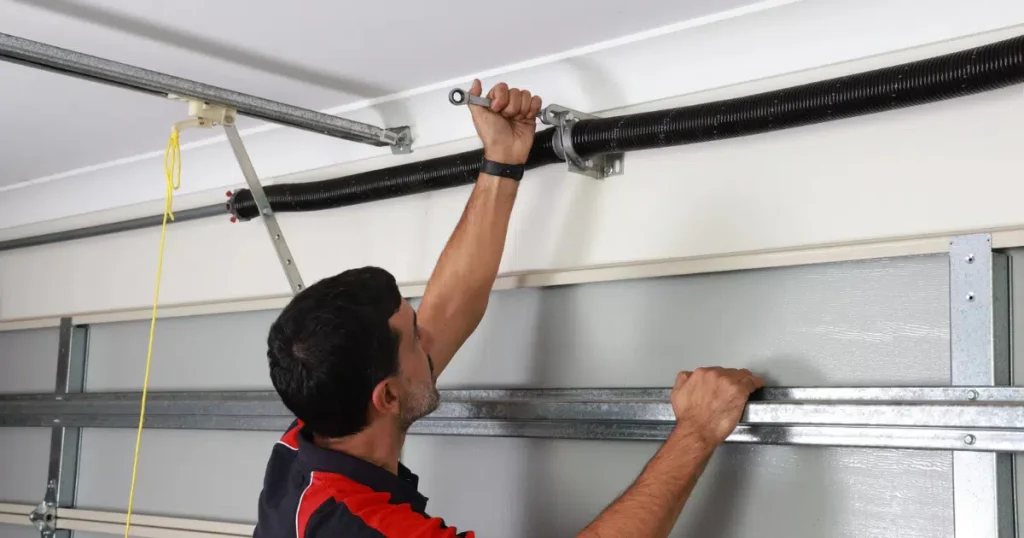
Broken overhead door springs are dangerous. These springs hold a large amount of tension, and when one snaps, it can release that energy in a fraction of a second. That can mean a heavy door crashing down, sharp metal pieces flying, and a real risk of injury. The safest move is to stop using the door and call a trained technician for overhead door spring replacement. The same caution applies to businesses, where a commercial door replacement or a new commercial door installation should always be handled by a skilled professional.
Why a Snapped Spring Is More Than a Minor Annoyance
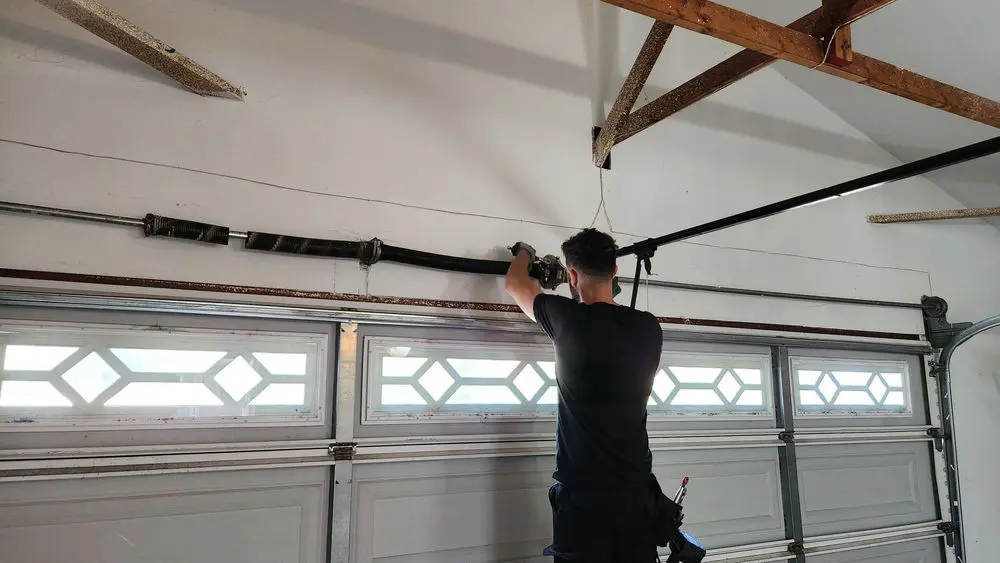
A garage door looks simple. You press a button, it goes up, you press it again, and it comes down. Behind that smooth motion is a set of springs doing almost all of the heavy lifting. A standard residential garage door can weigh well over 150 pounds. The motor does not actually carry that weight. The overhead door springs do.
When one of those springs breaks, all of that weight has nowhere to go. That is the moment things get risky. San Francisco homes add a few extra twists to this story. Many homes here have older garages, tight single-car spaces, and steep driveways. Add the damp, salty fog that rolls in off the bay, and you have the perfect setting for springs that wear out faster than the owner expects.
This guide breaks down the real dangers, the warning signs, and the smart steps to take. It will not teach a full do-it-yourself repair, because spring work is one of the few garage door jobs that should always go to a pro.
To learn more about how that salty bay air speeds up wear, check out the related guide, “How Rusted Springs Cause Overhead Door Repairs.“
Yes, Broken Overhead Door Springs Are Dangerous
Start with the core question. Are broken overhead door springs dangerous? The honest answer from anyone who has spent years in the garage door industry is a firm yes.
Torsion and extension springs store energy the same way a stretched rubber band does, only much stronger. A torsion spring can be wound with hundreds of pounds of force. When it holds together, that force is controlled. When it fails, that force is released all at once. People often describe the sound as a loud bang, almost like a firecracker going off inside the garage.
That stored energy is exactly why these parts can hurt someone. It is also why proper overhead door maintenance matters so much. A spring that is checked and cared for is far less likely to surprise you.
For a closer look at what causes that wear in the first place, the guide “Why Do Overhead Door Springs Rust Over Time?” is well worth a read.
The Door Can Slam Down Without Warning
The most common danger from a broken spring is a falling door. With the spring intact, the door rises and lowers in a slow, balanced way. With a broken spring, the balance is gone. The full weight of the door can drop fast.
Picture a child grabbing a toy near the open door, or a parent walking under it carrying groceries. A door that slams down can cause crushing injuries, broken bones, and serious harm to pets. It can also flatten anything left in the doorway, like a bike, a car bumper, or a delivery box.
This is why a door that suddenly feels heavy, moves crooked, or refuses to stay open should be treated as a hazard. Stop using it and keep people and pets clear until a technician inspects it.
Not sure what to watch for? The guide “What Are Signs of Failing Overhead Door Springs?” breaks down the early warnings in plain detail.
Flying Metal and Snap Injuries
The moment a spring snaps is the most dangerous part. Springs are made of tightly wound steel. When they break under tension, pieces can shift, jump, or fly. Cables attached to the spring system can whip loose as well.
Standing near the door, reaching toward the springs, or trying to pull the door by hand at that moment can lead to deep cuts, pinched fingers, and broken bones. Many of the worst injuries handled by garage door professionals happen when a homeowner tries to fix or force a door with a failing spring.
The lesson here is simple. The energy stored in overhead door springs is not something to test by hand. Respect it, step back, and let trained Overhead Door Repairs handle the tension safely.
Strain on Your Garage Door Opener
A broken spring does not only put people at risk. It also puts your equipment at risk. Once a spring fails, the opener motor suddenly has to fight the full weight of the door. Openers are not built for that load.
Forcing the door open with a broken spring can burn out the motor, strip the gears, or snap the opener’s lift arm. In older San Francisco garages with aging wiring, an overworked motor can also become a heat and electrical concern. What started as a simple spring problem can turn into a much larger repair if the door keeps getting used.
Catching a spring issue early, through regular overhead door maintenance, protects both the opener and your wallet.
Getting Trapped In or Out of Your Garage
In a busy city like San Francisco, the garage is often the main way in and out of the home. A broken spring can leave the door stuck shut or stuck open at the worst time. Stuck shut means a car trapped inside before a workday or an early appointment. Stuck open means a home left exposed overnight.
A garage left open is an invitation for theft, weather damage, and unwanted visitors. For homeowners who park on the street and rely on the garage for storage, a door that will not close is a real security problem. Fast, professional overhead door spring replacement gets the home secure again.
Warning Signs to Watch For Before a Spring Breaks
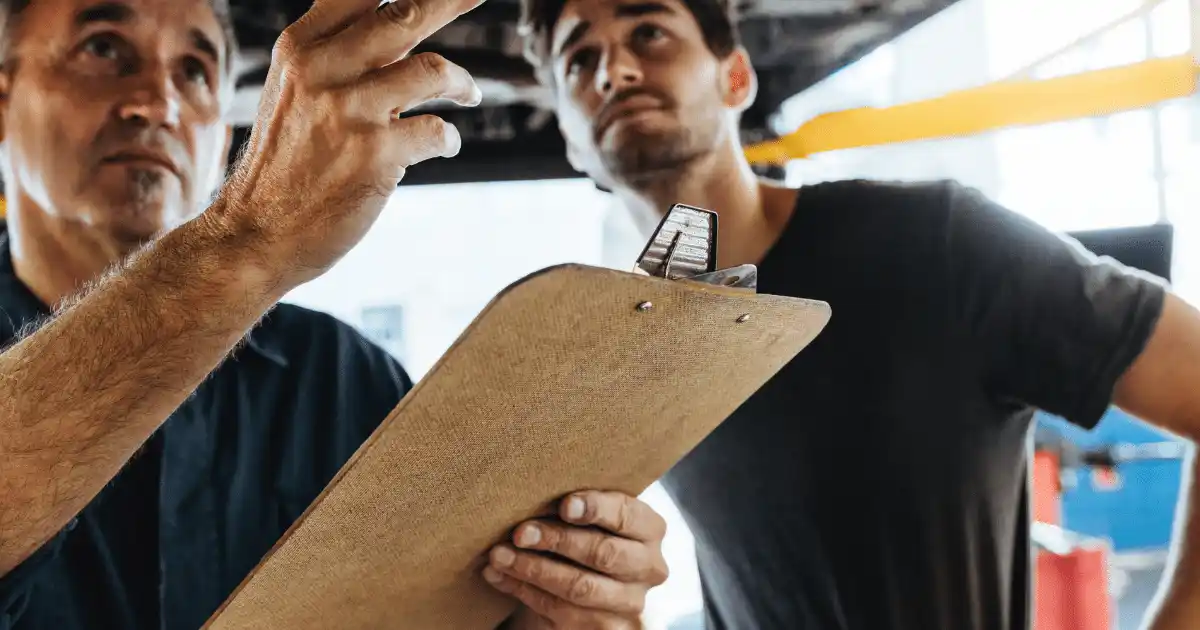
The good news is that springs usually give hints before they fail. Knowing what to check can help you act before a snap happens. Watch for these signs:
- A loud bang from the garage. This is often the spring breaking, even if the door still looks fine.
- A visible gap in the spring. A torsion spring above the door with a two to three inch gap is a clear sign of failure.
- The door feels very heavy. If lifting it by hand suddenly takes real effort, the spring is likely worn or broken.
- The door opens crooked or jerks. Uneven movement points to a spring or cable problem.
- Loud creaks, grinding, or squealing. Noisy operation often means the parts are dry or worn.
- The door only opens a few inches and stops. Many openers have a safety setting that senses the extra weight and quits.
Spotting any of these is a signal to stop using the door and call for an inspection. Checking is safe. Touching or adjusting the springs is not.
Simple Overhead Door Maintenance Steps That Lower Your Risk
Springs wear out from use and weather, but smart care can stretch their life and lower your risk. None of the safe steps below involve touching the springs under tension. They are about watching, listening, and keeping the system clean.
- Do a monthly look and listen. Open and close the door once while paying attention to odd sounds or shaky movement.
- Test the balance, carefully. With the opener disconnected and the door fully down, a pro can show you how a balanced door behaves. Until then, leave this to a technician.
- Keep the tracks clear. Wipe dust, leaves, and grit out of the tracks so the door moves freely and the springs are not overworked.
- Lubricate moving parts. A garage door safe lubricant on rollers, hinges, and bearings cuts friction. Avoid spraying the springs themselves unless a pro advises it.
- Watch the fog and salt air. In San Francisco, damp coastal air speeds up rust. A light wipe-down and yearly professional check help fight corrosion.
- Schedule a yearly tune-up. A trained tech can spot a tired spring long before it fails.
Steady overhead door maintenance is the cheapest insurance against a sudden break. It also keeps the whole system running quieter and smoother.
When to Call a Pro and What Overhead Door Spring Replacement Usually Involves
Spring work is not a beginner project. It calls for special winding bars, the correct spring size, and training in how to release tension without getting hurt. This is the part of the job where Overhead Door Repairs should always be left to a licensed technician.
Here is what a professional overhead door spring replacement usually looks like. The tech measures the spring’s length, wire size, and inside diameter to match the right part. They safely unwind the old spring, swap in the new one, reset the tension, and rebalance the door. They also check the cables, rollers, and opener while they are there.
On cost, most homeowners can expect spring replacement to fall into a moderate range, with the average cost depending on whether one or both springs are replaced and the type of spring used. Replacing both springs at once is common, since a matched pair tends to wear at a similar rate. A reputable San Francisco company will explain the average cost clearly before any work starts.
The key takeaway is safety. A door that drops, snaps, or strains the motor is not worth the risk of a do-it-yourself attempt.
Why San Francisco Homes Face Extra Spring Wear
Location plays a bigger role than many homeowners expect. San Francisco’s marine layer brings damp, salty air that settles on metal and speeds up rust. Rust weakens steel, and weak steel breaks sooner. Garages near the coast or in low, foggy neighborhoods often see faster spring wear than garages in drier inland areas.
City living adds frequent use. Many residents open and close the garage several times a day for commuting, deliveries, and street parking swaps. Every cycle uses up a small piece of the spring’s life. Older homes in neighborhoods like the Sunset, Richmond, and Bernal Heights may also have aging spring systems that were installed decades ago.
For these reasons, regular overhead door maintenance is especially smart for San Francisco homeowners. A yearly professional check can catch corrosion and fatigue before a spring lets go.
Your Safety Comes First With Overhead Door Springs
So, are broken overhead door springs dangerous? Yes, without question. The stored energy in overhead door springs can drop a heavy door, send metal flying, damage the opener, and leave a home stuck open or shut. Those are not small risks.
The smart path is steady care and quick action. Watch for the warning signs, keep up with overhead door maintenance, and call a trained technician at the first sign of trouble. When the time comes for overhead door spring replacement, trust licensed Overhead Door Repairs to handle the tension safely and get the door working again. The same goes for commercial properties, where prompt commercial door repair and well-maintained sectional doors keep daily operations safe and running smoothly.
A garage door should feel safe every single day. With the right care and the right help, it can.
Trusted Garage Door Help for San Francisco Homeowners
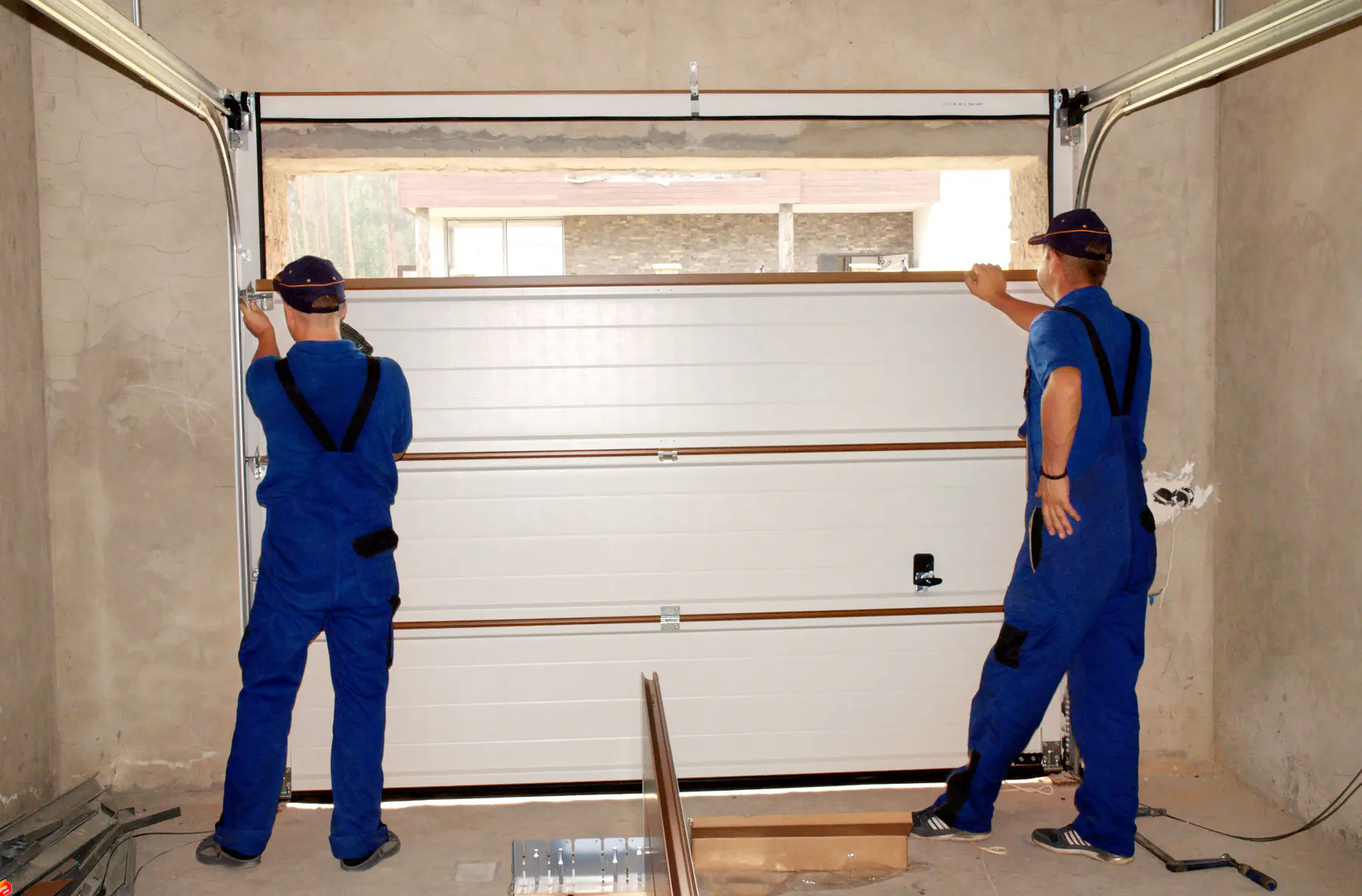
When a spring fails, a reliable local team makes all the difference. The Door Doctor brings years of hands-on experience to San Francisco homes, handling everything from quick inspections to full overhead door spring replacement with honest advice and upfront average cost. Do not wait for a small problem to turn dangerous. Contact us today or give us a call, and keep your garage door safe.