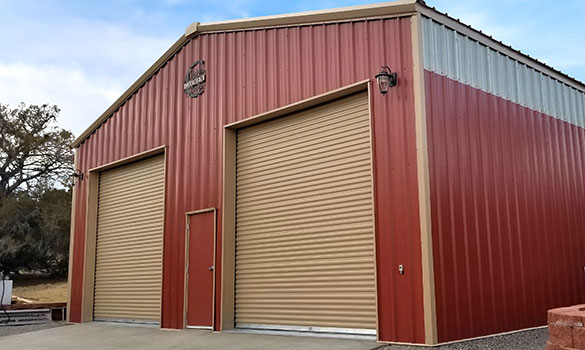
A commercial overhead door that refuses to close is more than just a minor inconvenience. It can disrupt daily operations, compromise security and create serious safety risks for employees and equipment. In high-demand environments like warehouses, loading docks and storage facilities across San Francisco, CA, even a short delay can lead to lost productivity and potential liability, especially when issues stem from improper or outdated commercial door installation.
Commercial doors are designed for durability, but they operate under constant stress. Frequent use, environmental exposure and heavy loads can gradually affect performance. When a door stops closing properly, it is usually a sign of an underlying issue that needs attention, which can sometimes be traced back to how the system was installed.
Understanding what blocks a commercial overhead door from closing helps business owners and facility managers respond quickly. Early detection can prevent more expensive damage, reduce downtime and maintain smooth operations. This guide explores the most common causes, what to check, how to prevent problems and when professional commercial door repair is necessary.
Misaligned or Blocked Safety Sensors
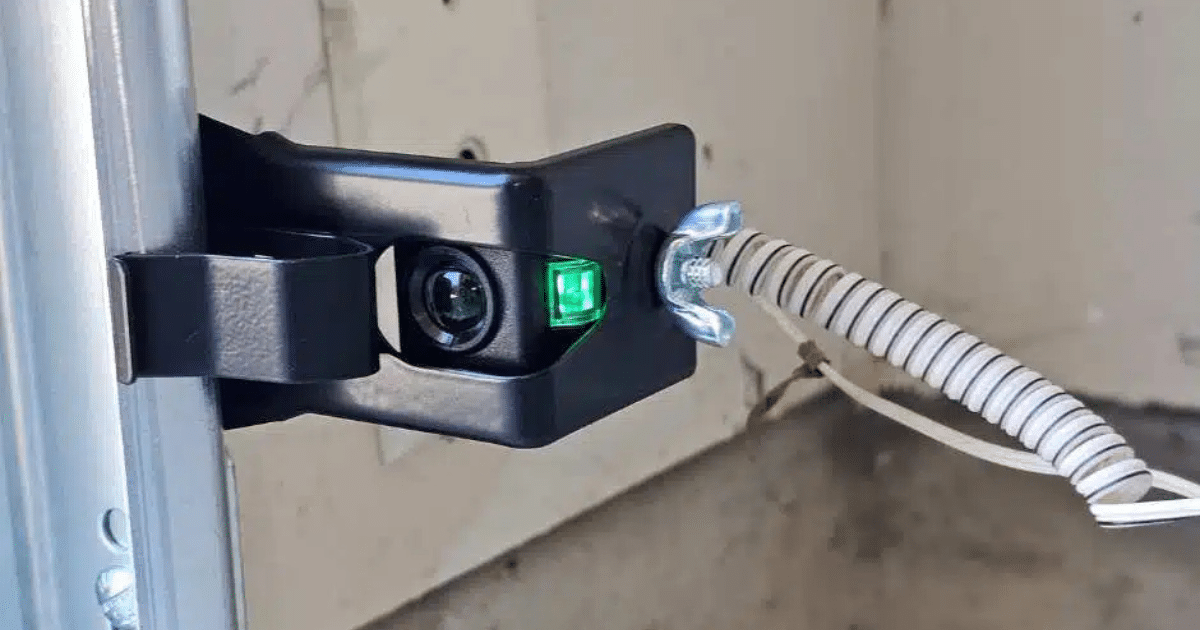
Safety sensors are one of the most common reasons a commercial overhead door will not close. These sensors are designed to prevent accidents by stopping the door if something is detected in its path.
What Happens
When sensors are blocked or misaligned, the system assumes there is an obstruction. As a result, the door may stop midway or reverse automatically.
Common Causes
- Dirt, dust, or grime covering the sensor lenses
- Misalignment caused by vibration or accidental impact
- Loose or damaged wiring
- Sunlight interference in certain angles
What to Check
- Look for blinking or off sensor lights
- Ensure both sensors are facing each other directly
- Remove any objects near the base of the door
Prevention Tips
Regular cleaning is essential, especially in dusty environments like warehouses or construction-adjacent facilities in San Francisco. Keeping sensors clear ensures consistent operation.
When to Call a Professional
If the sensors remain unresponsive after cleaning and alignment, there may be a wiring or internal fault that requires expert repair.
For a deeper understanding of related issues, read Commercial Overhead Door Won’t Close All the Way? Causes and Safe Next Steps.
Obstructions in the Door Track
Tracks guide the movement of a sectional door. When something blocks the track, the door cannot move smoothly, causing it to stop before fully closing.
What Happens
Even small debris can interrupt the door’s path, triggering safety mechanisms or causing uneven movement.
Common Causes
- Packaging debris or loose materials
- Tools or equipment left near the track
- Dirt buildup over time
- Bent or damaged track sections
What to Check
- Inspect both vertical and horizontal tracks
- Look for visible debris or buildup
- Check for dents or warping
Prevention Tips
Keeping loading dock areas clean and organized reduces the risk of track obstruction. Regular inspections also help identify early damage.
Expert Insight
In busy commercial settings, repeated minor impacts from carts or forklifts can slowly misalign tracks. Addressing these issues early helps avoid larger repairs.
For more insights, check out Why Does a Commercial Overhead Door Stop Closing?.
Worn or Damaged Springs and Cables
Springs and cables are essential for balancing the weight of a commercial overhead door. When they become worn or damaged, the door may struggle to close or stop completely.
What Happens
The door loses proper balance, making it difficult for the opener to control movement.
Signs of Damage
- Uneven closing or jerking motion
- Loud snapping or grinding sounds
- Door feels heavier than usual
What to Check
- Frayed or loose cables
- Gaps or visible wear in springs
Safety Warning
These components are under high tension. Attempting to repair them without proper training can result in serious injury.
Recommendation
Professional commercial door repair is strongly advised for any spring or cable issue to ensure safe and long-term results.
To learn more about safety risks, read When Is a Commercial Overhead Door Unsafe to Close?.
Malfunctioning Limit Settings
Limit settings determine how far the door travels when opening and closing. Incorrect settings can cause the door to stop too early.
What Happens
The opener may think the door has already reached the ground, even when it has not.
Common Causes
- Improper manual adjustments
- Power interruptions resetting the system
- Wear in internal components
What to Check
- Door stops before touching the ground
- Door reverses unexpectedly
Prevention Tips
Avoid making adjustments without proper understanding. Small errors in limit settings can lead to repeated issues.
Motor or Opener Issues
The motor powers the entire system. When it begins to fail, the door may not complete its closing cycle.
What Happens
The opener struggles to move the door or stops midway.
Common Causes
- Overheating due to frequent use
- Electrical inconsistencies
- Aging equipment
What to Check
- Listen for unusual sounds such as humming or clicking
- Observe delayed response times
Local Consideration
In San Francisco, older buildings may have outdated electrical systems that affect motor performance.
Prevention Tips
Routine inspections and proper usage help extend the life of the opener system.
Weather Conditions and Environmental Factors
Environmental conditions play a major role in commercial door performance, especially in coastal regions.
What Happens
Weather can create resistance or damage components, preventing proper closure.
Common Causes
- Strong winds pushing against the door
- Moisture leading to rust or corrosion
- Temperature changes affecting materials
San Francisco Factors
Coastal fog, humidity and salt air can impact insulated overhead door systems, causing gradual wear.
What to Check
- Signs of rust or corrosion
- Warping or swelling in materials
Prevention Tips
Regular maintenance and weather sealing help protect the door from environmental damage.
Poor Maintenance and Wear Over Time
Lack of maintenance is one of the leading causes of door failure.
What Happens
Small issues build up over time, eventually preventing the door from closing.
Signs of Wear
- Slower operation
- Increased noise
- Jerky or inconsistent movement
What to Check
- Loose bolts or hardware
- Dry or unlubricated parts
Best Practices
- Schedule routine maintenance
- Lubricate moving components
- Inspect the system regularly
Expert Insight
Preventive maintenance is one of the most effective ways to avoid unexpected downtime.
Electrical or Control Panel Problems
Electrical issues can disrupt communication between the controls and the door system.
What Happens
The door may not respond to commands or may stop unexpectedly.
Common Causes
- Faulty wiring
- Power outages or interruptions
- Malfunctioning control panels
What to Check
- Test multiple control points
- Check for consistent power supply
Recommendation
Electrical issues should be handled by trained professionals to avoid further damage.
Damaged Panels or Misaligned Sections
Physical damage to the door structure can prevent it from closing evenly.
What Happens
Misaligned panels create gaps or resistance during operation.
Common Causes
- Impact from forklifts or heavy equipment
- Warped panels
- Structural misalignment
What to Check
- Visible dents or damage
- Uneven gaps when closing
Prevention Tips
Training staff to operate equipment carefully around doors can reduce accidental damage.
Safety Mechanism or Auto-Reverse Triggering
Modern doors include safety features that reverse the door if resistance is detected.
What Happens
The door reverses even when no obvious obstruction is present.
Possible Causes
- Sensor sensitivity issues
- Hidden debris
- Track resistance
What to Check
- Clean all safety components
- Observe when reversal occurs
Quick Troubleshooting Checklist
Before calling for service, perform these basic checks:
- Clean and align safety sensors
- Remove debris from tracks
- Observe door movement
- Listen for unusual noises
- Check power supply
These steps can help identify simple issues quickly.
When to Call for Professional Commercial Door Repair
Some problems require immediate expert attention and professional commercial door repair:
- Door repeatedly fails to close
- Springs or cables are damaged
- Electrical issues are present
- Door poses a safety risk
In San Francisco, compliance with safety standards is important. Professional technicians ensure proper repairs and long-term reliability.
How to Prevent Commercial Overhead Door Problems
Prevention is key to avoiding costly downtime and disruptions.
Proactive Tips
- Schedule routine maintenance inspections
- Keep tracks and sensors clean, especially for a sectional door system with multiple moving parts
- Train staff on proper operation
- Address minor issues early
Additional Insight
Preventive care is typically more affordable than emergency repairs and helps maintain consistent performance.
Keep Your Commercial Overhead Door Reliable
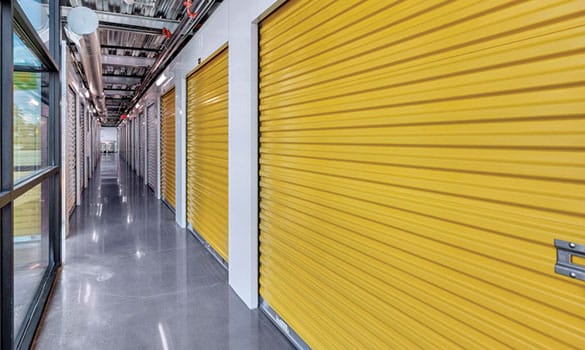
A commercial overhead door that will not close is usually a sign of a deeper issue. Whether caused by sensors, mechanical wear, or environmental conditions, addressing the problem early helps prevent larger disruptions, especially for businesses relying on an insulated overhead door for energy efficiency and consistent indoor conditions.
In a fast-paced commercial environment like San Francisco, reliability is essential. Regular maintenance, early detection and professional commercial door repair ensure smooth operations, improved safety and long-term performance.
Taking proactive steps today can help avoid unexpected problems tomorrow and keep business operations running efficiently.
Trusted Commercial Overhead Door Service in San Francisco
For businesses looking for dependable service, The Door Doctor is known for delivering trusted commercial overhead door solutions backed by experience and industry expertise. From routine maintenance to complex repairs, working with a skilled team helps ensure safety, compliance and long-term reliability. Contact us today or give us a call to schedule a professional inspection and keep your operations running without interruption.