
A commercial overhead door is more than just an entry point; it is a critical part of daily operations. From proper commercial door installation to ongoing use, it supports workflow efficiency, protects inventory and ensures a safe environment for employees and customers. When functioning properly, it often goes unnoticed. However, when something goes wrong, the risks increase quickly.
In a high-demand business environment like San Francisco, where warehouses, retail spaces and distribution centers operate at a fast pace, even a small door issue can lead to serious disruptions. More importantly, forcing a malfunctioning door to close can result in injuries, equipment damage, or compliance violations.
Understanding when a commercial overhead door is unsafe to close is essential for maintaining safety, avoiding downtime and protecting long-term operations. The following sections outline the most common warning signs, what to check and practical steps to prevent problems without attempting complex repairs.
When Safety Sensors Are Misaligned or Blocked
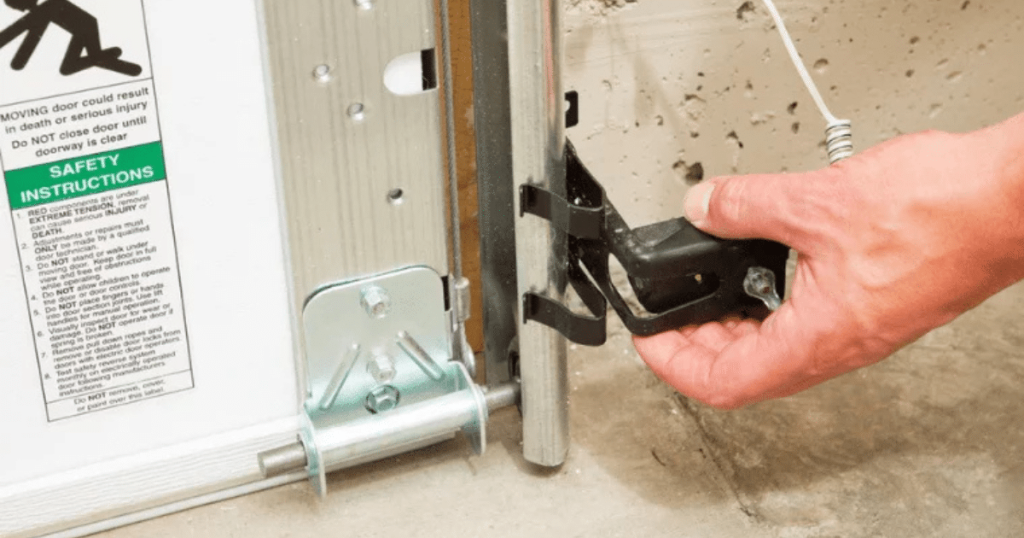
Safety sensors, often called photo-eye sensors, are one of the most important safety features in a commercial overhead door system. These sensors detect objects in the door’s path and prevent it from closing if something is in the way.
Warning Signs
- The door begins to close but immediately reverses
- Sensor lights are blinking or completely off
- The door closes inconsistently or only works intermittently
What to Check
- Dirt, dust, or grease on the sensor lenses
- Misalignment between the two sensor units
- Loose wires or damaged connections
Why It’s Unsafe
When sensors are not working correctly, the door cannot detect obstacles. In busy commercial settings with forklifts, pallets and foot traffic, this creates a high risk of injury or damage.
Preventive Tip
Keep sensor lenses clean and ensure they are properly aligned. In environments with heavy dust or debris, such as loading docks, schedule frequent inspections.
Real-World Insight
Facilities that operate multiple shifts often experience faster buildup of dirt on sensors. Regular cleaning as part of daily operations can significantly reduce sensor-related issues.
For a deeper look into related problems, explore “Commercial Overhead Door Won’t Close All the Way? Causes and Safe Next Steps” for practical guidance and prevention tips.
When the Door Is Off Track or Misaligned
A commercial overhead door relies on a track system to guide its movement. When the door becomes misaligned, it cannot operate safely.
Warning Signs
- The door appears uneven when moving
- Rollers are not sitting properly in the track
- Grinding, scraping, or rubbing sounds
What to Check
- Bent or damaged tracks
- Loose brackets or mounting hardware
- Worn or broken rollers
Why a Commercial Overhead Door is Unsafe
An off-track door can jam, tilt, or even collapse. Closing it under these conditions puts employees and equipment at serious risk.
Expert Insight
Minor track misalignment is often overlooked, but it can quickly worsen with repeated use. Early detection prevents more severe structural damage.
Prevention Tip
Avoid operating the door if it shows signs of uneven movement. Schedule inspections after any impact from equipment such as forklifts.
For more insights on common causes, check out “Why Does a Commercial Overhead Door Stop Closing?” to better understand what might be happening.
When Springs or Cables Show Damage
Springs and cables are responsible for lifting and lowering the heavy weight of a commercial overhead door. These components operate under high tension and are essential for safe operation.
Warning Signs
- Frayed or visibly worn cables
- Sudden loud snapping or popping sounds
- The door feels heavier than usual
What to Check
- Rust or corrosion on springs
- Loose or slack cables
- Gaps or breaks in torsion springs
Why It’s Unsafe
If a spring or cable fails, the door can drop suddenly without warning. This creates a serious hazard that can lead to severe injury or property damage.
Important Safety Note
Spring and cable systems should never be handled without proper training. Attempting repairs can be extremely dangerous.
Prevention Tip
Routine inspections help identify early signs of wear before failure occurs. Replacing worn components proactively is safer than waiting for a breakdown.
To learn more about potential obstructions, read “What Blocks a Commercial Overhead Door From Closing?” for additional insights.
When the Door Hesitates or Moves Erratically
A commercial overhead door should operate smoothly and consistently. Any hesitation or irregular movement indicates a problem within the system.
Warning Signs
- The door stops halfway during operation
- Delayed response after pressing controls
- Sudden reversals without visible obstruction
What to Check
- Motor performance and responsiveness
- Control panel or remote system
- Electrical connections
Why It’s Unsafe
Unpredictable movement increases the risk of accidents, especially in high-traffic areas where timing and coordination are critical.
Practical Tip
If the door does not respond immediately or moves unevenly, stop using it until it is inspected. Continued use can worsen the issue.
When There Are Unusual Noises During Operation
Unusual noises are often early warning signs of mechanical problems. Ignoring these sounds can lead to more serious failures.
Warning Signs
- Grinding or screeching noises
- Loud banging when closing
- Persistent squeaking
What to Check
- Lack of lubrication on moving parts
- Loose bolts or hardware
- Worn rollers or hinges
Why It’s Unsafe
Noise often indicates that components are under stress or beginning to fail. Continued operation can lead to sudden breakdowns.
Preventive Tip
Regular lubrication and tightening of hardware can significantly reduce wear and extend the lifespan of the door system.
Expert Insight
In coastal environments like San Francisco, exposure to moisture and salt air can accelerate corrosion, making regular maintenance even more important.
When the Door Does Not Close Fully or Seal Properly
A door that does not fully close compromises both security and functionality.
Warning Signs
- Gaps at the bottom or sides of the door
- Door reverses before reaching the ground
- Uneven or incomplete sealing
What to Check
- Debris blocking the track
- Misaligned sensors
- Worn weather seals
Why It’s Unsafe
An improperly sealed door exposes the facility to theft, pests and weather-related damage. It also signals that the system is not functioning correctly.
Prevention Tip
Inspect seals regularly and replace them when worn. Keeping tracks clear of debris also helps ensure proper closure.
When There Are Electrical or Control System Issues
Modern commercial overhead doors depend on electrical systems for operation. Any malfunction in these systems can create unsafe conditions.
Warning Signs
- Door does not respond to controls
- Flickering lights or inconsistent power
- Burning smell near the motor
What to Check
- Power supply connections
- Wiring condition
- Control panel functionality
Why It’s Unsafe
Electrical issues can cause sudden failure or even fire hazards. These problems should never be ignored.
Expert Advice
Electrical repairs require specialized knowledge. A trained technician should handle any electrical concerns to ensure safety and compliance.
When the Door Has Visible Structural Damage
Physical damage affects both the appearance and performance of a commercial overhead door.
Warning Signs
- Dented or bent panels
- Cracks or warping
- Sections that do not align properly
What to Check
- Damage from impacts
- Signs of wear from weather exposure
Why It’s Unsafe
Structural damage weakens the door’s integrity. Closing it can lead to further damage or complete failure.
Prevention Tip
Inspect doors after any collision with equipment. Addressing damage early prevents more costly repairs later.
When Safety Features Are Not Functioning
Safety features are built into commercial overhead doors to prevent accidents and ensure compliance.
Warning Signs
- Auto-reverse function does not activate
- Emergency stop is unresponsive
- Manual override does not work
What to Check
- Regular testing of safety systems
- Functionality of emergency controls
Why It’s Unsafe
Operating a door without working safety features increases the risk of injury and liability.
Compliance Insight
Businesses in San Francisco must follow strict safety standards. Non-functioning safety systems can lead to violations and operational risks.
When the Door Has Not Been Maintained Regularly
Lack of maintenance is one of the most common causes of unsafe operation.
Warning Signs
- Frequent minor issues
- Increased resistance during operation
- Declining overall performance
What to Check
- Maintenance history
- Condition of key components
Why It’s Unsafe
Small issues can quickly escalate into major failures when maintenance is neglected.
Pro Tip
Preventive maintenance is generally more cost-effective than emergency repairs and helps ensure consistent performance.
Types of Commercial Overhead Doors and Their Safety Considerations
Different types of commercial overhead doors have unique safety considerations:
Sectional Doors
Made of panel sections connected by hinges, these doors require proper alignment and track condition.
Rolling Steel Doors
Common in industrial settings, these doors rely on tension systems that must be regularly inspected.
Insulated Overhead Doors
Used for temperature control, these doors must seal properly to maintain efficiency and safety.
High-Speed Doors
Designed for rapid operation, these require precise sensor and motor function to prevent accidents.
Understanding the specific type of door in use helps identify potential risks more effectively.
Proactive Tips to Keep Your Commercial Overhead Door Safe
Schedule Routine Inspections
Regular inspections and timely commercial door repair help identify problems early and prevent unexpected failures.
Keep Tracks and Sensors Clean
Dust and debris can interfere with proper operation. Clean components regularly.
Train Staff on Proper Operation
Employees should understand safe usage and recognize warning signs.
Address Minor Issues Immediately
Small problems can quickly become major safety hazards if ignored.
Monitor Environmental Factors
Weather conditions in San Francisco, including moisture and coastal air, can impact door components over time.
When to Seek Professional Assistance
Certain issues require immediate expert attention, especially for systems like a sectional door that rely on multiple moving components working in alignment:
- Repeated failure to close
- Broken springs or cables
- Electrical malfunctions
- Safety system failure
- Visible structural damage
Professional technicians can provide accurate diagnosis and safe solutions, ensuring long-term reliability.
Recognizing Risk Prevents Bigger Problems
A commercial overhead door, including an insulated overhead door used for energy efficiency and temperature control, should never be forced to close when warning signs are present. Doing so can lead to injuries, equipment damage and operational disruptions.
Recognizing unsafe conditions, performing regular checks and taking prompt action helps protect both people and property. In a demanding commercial environment, safety is not optional; it is essential for reliable and efficient operations.
Reliable Commercial Overhead Door Service You Can Trust
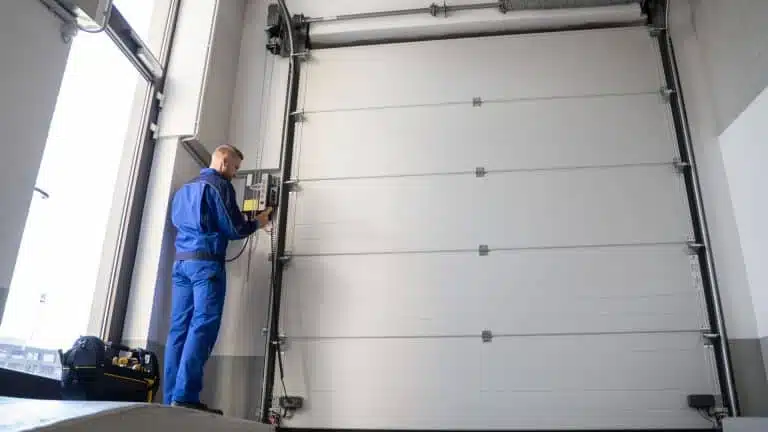
For businesses looking for dependable support, The Door Doctor is known for delivering professional commercial overhead door inspections, maintenance and repairs with a strong focus on safety and long-term performance. Partnering with experienced specialists helps ensure doors operate reliably and meet safety standards. Contact us today or give us a call to schedule a professional inspection and keep operations running smoothly and securely.