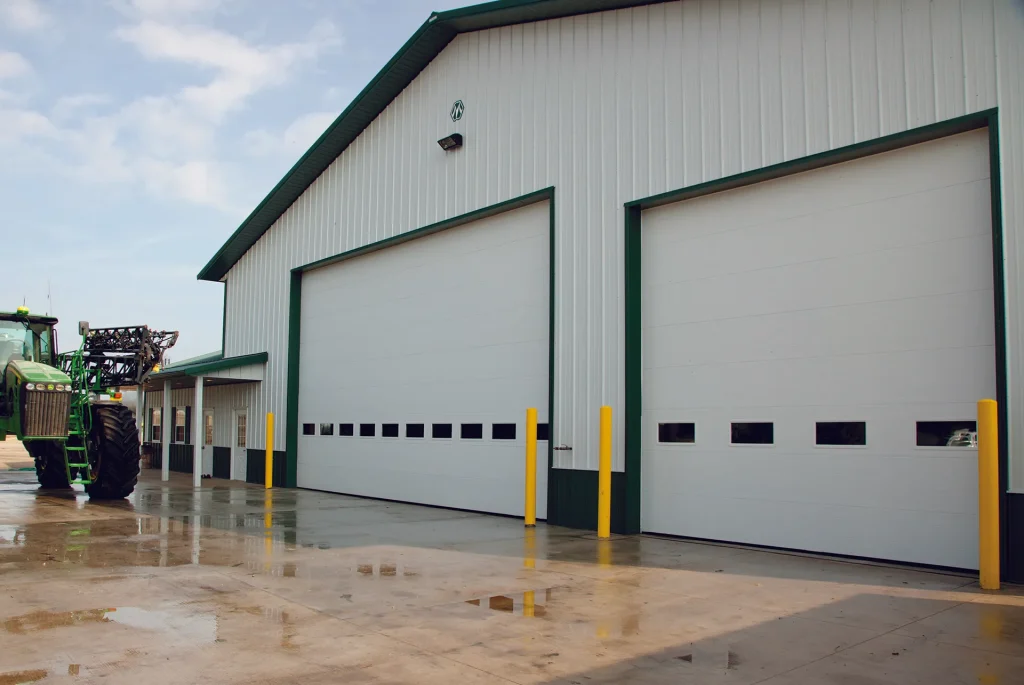
A commercial overhead door that stops closing is more than just an inconvenience; it can disrupt operations, create safety hazards and leave a property exposed. In busy commercial environments such as warehouses, loading docks and retail storage facilities, a malfunctioning door can quickly slow down productivity and increase risk. In some cases, improper or outdated commercial door installation can also contribute to recurring performance issues.
In a dense and fast-paced city like San Francisco, businesses depend on reliable access points for deliveries, security and daily workflow. Add in coastal moisture, frequent use and changing temperatures and it becomes clear why commercial doors experience wear over time.
This guide breaks down the most common reasons a commercial overhead door stops closing, what can be safely checked and how to prevent future issues based on real-world industry experience and best practices.
Quick Answer: Why Your Commercial Overhead Door Won’t Close
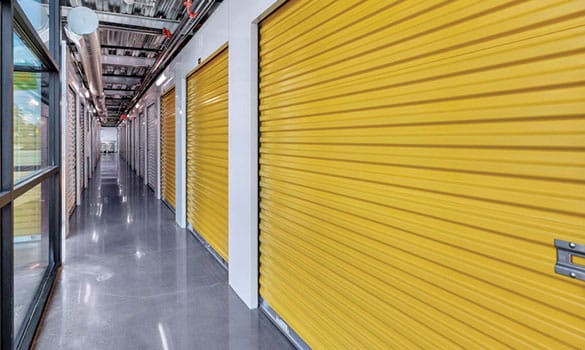
A commercial overhead door may stop closing due to sensor misalignment, blocked or damaged tracks, worn springs or cables, opener issues, incorrect limit settings, or environmental factors like moisture and temperature changes. Identifying the cause early helps prevent costly downtime and safety risks.
For a deeper look at partial closing issues, check out Commercial Overhead Door Won’t Close All the Way? Causes and Safe Next Steps.
Misaligned or Blocked Safety Sensors
Safety sensors are one of the most common reasons a commercial overhead door refuses to close. These small devices are typically installed near the bottom of the door tracks and are designed to detect obstacles.
If the sensor beam is interrupted, even slightly, the door will stop and reverse.
Why this happens:
- Dust, dirt, or grime covering the lens
- Moisture buildup from fog or humidity
- Sensors accidentally bumped out of alignment
- Direct sunlight interfering with the signal
What to check:
- Make sure both sensors are aligned and facing each other
- Wipe the lenses clean using a soft cloth
- Look for blinking lights, which may indicate misalignment
Real-world insight:
In coastal areas like San Francisco, moisture and salt in the air can build up on sensors faster than expected, especially in facilities near the bay.
Prevention tip:
Schedule regular cleaning of sensors as part of routine commercial garage door maintenance to avoid unexpected interruptions.
For more insights on common obstructions, see What Blocks a Commercial Overhead Door From Closing?.
Track Obstructions or Misalignment
Tracks play a critical role in guiding the door smoothly from open to closed. Even a small obstruction can stop the door from completing its cycle.
Common causes:
- Dirt, debris, or packaging materials stuck in the track
- Bent or warped tracks due to impact
- Loose bolts or mounting brackets
What to check:
- Visually inspect both sides of the track
- Look for dents, gaps, or misalignment
- Observe if the door moves unevenly
Example scenario:
In high-traffic loading docks, forklifts or carts can accidentally bump into tracks, causing slight bends that eventually prevent proper closing.
Prevention tip:
Keep track areas clear and inspect them regularly, especially in environments with heavy equipment movement.
To better understand safety risks, read When Is a Commercial Overhead Door Unsafe to Close?.
Worn or Damaged Springs and Cables
Springs and cables carry the weight of the door and control its movement. Over time, these components wear down, especially in commercial settings where doors may open and close dozens of times a day.
Signs of wear:
- Door stops midway when closing
- Door feels heavier than usual
- Visible fraying or loose cables
- Sudden jerking motion
Safety warning:
These components are under high tension and can cause serious injury if handled improperly. This is not a DIY repair.
Average cost insight:
Repairs involving springs and cables are generally in the moderate to high range, depending on the extent of the damage and door size.
Prevention tip:
Routine inspections help catch early signs of wear before a full failure occurs.
Malfunctioning Commercial Door Opener
The opener is the system that powers the door’s movement. If it fails, the door may stop closing, reverse unexpectedly, or not respond at all.
Common issues:
- Electrical connection problems
- Motor burnout due to overuse
- Faulty remote or wall control system
What to check:
- Confirm the opener has power
- Test manual controls versus remote access
- Listen for unusual humming or clicking sounds
Industry insight:
Older opener systems often struggle to keep up with modern commercial demands, especially in facilities with high daily usage.
Prevention tip:
Upgrading to a more durable system can improve reliability and reduce downtime.
Incorrect Limit Settings
Limit settings control how far the door travels when opening and closing. If these settings are off, the door may stop before reaching the ground or reverse too soon.
Signs:
- Door reverses just before closing fully
- Door leaves a gap at the bottom
What to check:
- Observe where the door stops during operation
Important note:
While limit adjustments may seem simple, incorrect handling can worsen the issue. Professional calibration is recommended.
Weather Conditions in San Francisco
Environmental factors play a major role in door performance, especially in a coastal climate like San Francisco.
Common weather-related issues:
- Moisture causing rust on metal components
- Temperature changes affecting expansion and contraction
- Wind pressure pushing against large commercial doors
What to check:
- Signs of rust or corrosion
- Difficulty closing during certain weather conditions
Real-world example:
Facilities near the coast often experience faster wear on metal components due to salt air exposure.
Prevention tip:
Use corrosion-resistant materials and schedule seasonal inspections to address weather-related wear.
Lack of Regular Maintenance
One of the leading causes of commercial overhead door failure is simply lack of maintenance.
Common neglected areas:
- Rollers not lubricated
- Loose or worn hardware
- Dirt buildup on moving parts
Basic maintenance checklist:
- Apply lubrication to moving components
- Tighten bolts and brackets
- Inspect for visible damage
- Test door balance
Expert insight:
Preventive maintenance is almost always more cost-effective than emergency commercial overhead door repair.
Control System or Safety Lock Issues
Sometimes the issue is not mechanical but related to the door’s control system.
Possible causes:
- Manual lock accidentally engaged
- Wiring issues in the control panel
- System needing a reset
What to check:
- Ensure locks are disengaged
- Test system controls
High Usage and Wear Over Time
Commercial doors are designed for durability, but constant use naturally leads to wear.
Common effects of heavy usage:
- Faster component fatigue
- Increased likelihood of misalignment
- Gradual system inefficiency
Example:
A warehouse operating 24/7 will experience significantly more wear compared to a small retail facility.
Prevention tip:
High-cycle environments should schedule more frequent maintenance checks.
Structural or Installation Issues
In some cases, the issue may trace back to improper installation or structural problems.
Causes:
- Poor alignment during installation
- Inadequate support for door weight
- Uneven flooring affecting closure
What to check:
- Consistent gaps along the bottom
- Door not sitting evenly when closed
When Is It Unsafe to Force the Door to Close?
Forcing a commercial overhead door can make the situation worse and lead to costly damage.
Warning signs:
- Grinding or loud noises
- Door moving unevenly
- Sudden slamming
Action:
Stop using the door immediately and avoid applying force.
Step-by-Step: What to Check Before Calling a Professional
Before scheduling a service, a basic inspection can help identify simple issues:
- Clean and align safety sensors
- Remove debris from tracks
- Check power supply
- Observe door movement
- Listen for unusual sounds
If the issue continues, professional service is recommended.
Common Mistakes Businesses Make
Avoiding these mistakes can prevent bigger problems:
- Ignoring early warning signs
- Forcing the door to close
- Delaying maintenance
- Attempting complex repairs without training
Types of Commercial Overhead Doors Affected
Different door types can experience similar issues:
- Sectional overhead doors
- Rolling steel doors
- High-speed doors
- Insulated overhead doors
Each type has unique components but shares common failure points.
When to Call a Commercial Door Professional in San Francisco
Certain problems require expert attention, especially in a city like San Francisco where compliance and safety standards are important.
Call a professional if:
- The door repeatedly fails to close
- Springs or cables are damaged
- Electrical issues are present
- The door poses a safety risk
Professional commercial door repair services ensure safe, long-term solutions performed by trained technicians.
How to Prevent Commercial Overhead Door Problems
Prevention is key to avoiding costly downtime.
Best practices:
- Schedule routine maintenance
- Keep tracks and sensors clean, especially for a sectional door system with multiple moving panels
- Train staff on proper operation
- Address minor issues early
Why Addressing Commercial Overhead Door Issues Early Matters
A commercial overhead door that stops closing is often a sign of an underlying issue that should not be ignored. From sensor problems to worn components and environmental factors, understanding the root cause helps prevent more serious damage, especially for systems like an insulated overhead door, where performance and sealing are critical.
In a demanding business environment like San Francisco, reliable door operation is essential for safety, efficiency and security. Regular maintenance, early detection and professional support ensure long-term performance and peace of mind.
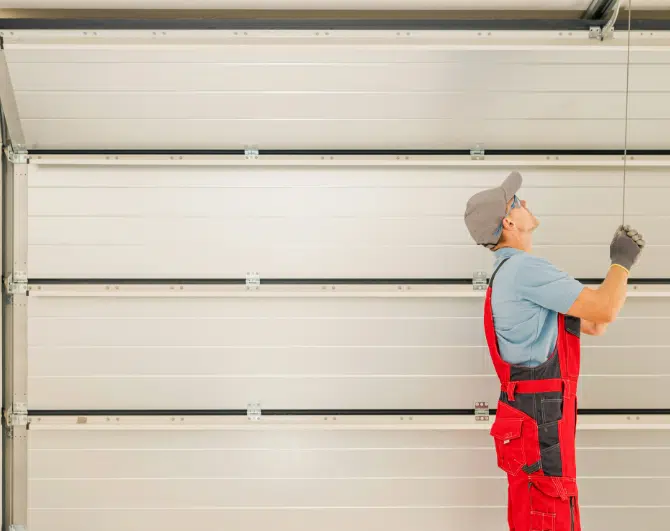
Trusted Commercial Overhead Door Service You Can Rely On
For businesses looking for dependable service, The Door Doctor is known for providing expert commercial overhead door solutions backed by industry experience and a strong focus on safety and reliability. From routine maintenance to urgent repairs, working with a trusted local provider helps keep operations running smoothly. Contact us today or give us a call to schedule an inspection and ensure your commercial doors are operating at their best.