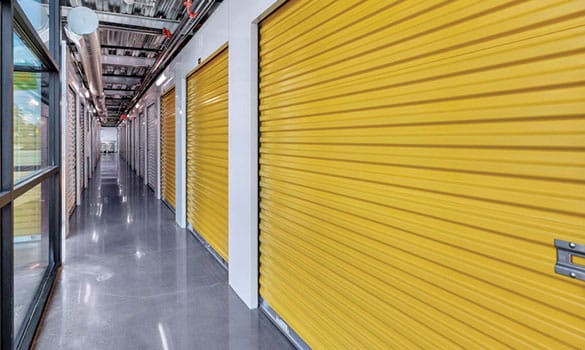
A commercial overhead door that won’t close all the way is more than just a minor inconvenience. It can interrupt business operations, create safety hazards and leave a property exposed to security risks. In a fast-moving commercial environment like San Francisco, even a short delay caused by a malfunctioning door can impact productivity, deliveries and customer experience.
Commercial doors are built for durability, but they also handle frequent use, heavy loads and exposure to environmental conditions. Proper commercial door installation also plays a key role in long-term performance, as even small setup issues can lead to operational problems over time. As components age, wear and tear can affect how smoothly the system operates. When a door refuses to close completely, it is often a warning sign that something needs attention.
This guide breaks down the most common causes, what can be safely checked and the right next steps to take without risking further damage or safety.
What It Means When a Commercial Overhead Door Won’t Close All the Way
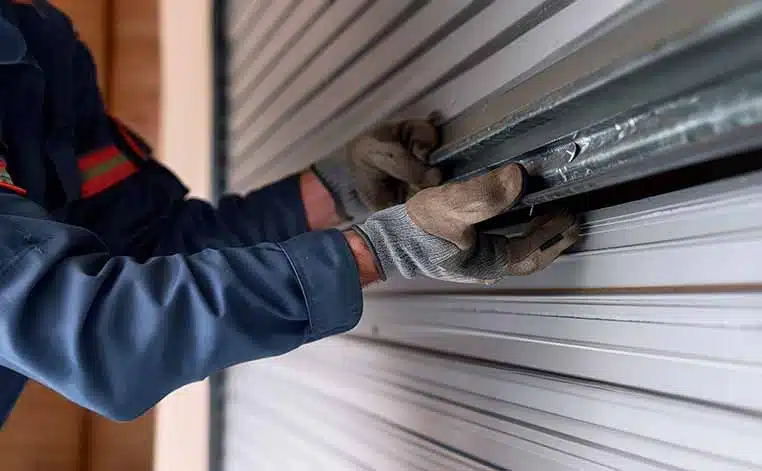
When a commercial overhead door does not fully close, it may:
- Stop before reaching the ground
- Reverse direction suddenly
- Leave a small gap at the bottom
- Move unevenly or hesitate during closing
These behaviors are often linked to built-in safety mechanisms or mechanical issues. Modern commercial doors are designed to stop or reverse if something is wrong, which helps prevent accidents.
However, ignoring the issue can lead to:
- Increased strain on the motor and components
- Faster wear of parts like rollers and cables
- Higher risk of complete system failure
- Potential safety and liability concerns
From an industry standpoint, partial closing is rarely random. It usually points to a specific issue that can worsen if left unresolved.
For a deeper understanding of the root causes, check out the related guide “Why Does a Commercial Overhead Door Stop Closing?”.
Top Causes of a Commercial Overhead Door Not Closing Fully
Blocked or Misaligned Safety Sensors
Safety sensors play a critical role in preventing accidents. These small devices sit near the bottom of the door and send an invisible beam across the opening. If the beam is interrupted, the door will stop or reverse.
Common problems include:
- Dust, dirt, or grime on the sensor lens
- Misalignment due to vibrations or accidental bumps
- Sunlight interference, especially in bright areas
What to safely check:
- Gently clean the sensor lenses with a soft cloth
- Confirm both sensors are facing each other
- Look for steady indicator lights (not blinking)
Expert insight:
In busy commercial settings, sensor misalignment is one of the most frequent causes of incomplete closing. Even slight movement can trigger the system.
To learn more about possible obstructions, read “What Blocks a Commercial Overhead Door From Closing?”.
Track Obstructions or Debris
Tracks guide the door as it moves up and down. When debris builds up, it can block smooth movement and stop the door from closing fully.
Typical causes:
- Dirt, dust, or packaging debris
- Tools or small objects left near the track
- Bent or damaged track sections
Signs to watch for:
- Grinding or scraping sounds
- Door stopping at the same position repeatedly
- Visible obstruction or buildup
What to check:
- Inspect tracks visually for debris
- Look for dents or misalignment
Tip:
Regular cleaning of tracks helps prevent unnecessary strain on the system.
For safety-related concerns, see “When Is a Commercial Overhead Door Unsafe to Close?”.
Worn or Damaged Rollers
Rollers allow the door to move smoothly along the tracks. Over time, constant use can cause them to wear out.
Symptoms include:
- Jerky or uneven movement
- Squeaking or rattling noises
- Slower or inconsistent operation
Preventive tip:
Applying proper lubrication and scheduling routine inspections can extend roller lifespan and maintain smooth performance.
Broken or Weak Springs
Springs carry most of the door’s weight. When they weaken or break, the door may struggle to close completely.
Warning signs:
- Door stops halfway
- Uneven or tilted closing
- Loud snapping or popping sounds
Important safety note:
Spring systems are under high tension and can be extremely dangerous. Only trained professionals should handle spring repairs.
Industry insight:
Spring failure is one of the most serious issues and often requires immediate attention to prevent further damage.
Incorrect Limit Settings
Limit settings control how far the door travels when opening and closing. If these settings are off, the door may stop too early.
Possible causes:
- Recent adjustments to the opener
- Power outages or resets
- Calibration issues
What to observe:
- Door consistently stopping at the same height
- No visible obstruction present
This issue may appear minor but can affect the overall efficiency of the system.
Cable or Pulley Problems
Cables and pulleys help balance the door during operation. When they are worn or damaged, the door may not close evenly.
Signs include:
- Crooked or uneven door alignment
- Visible fraying on cables
- Jerky or unstable movement
Safety note:
Damaged cables can snap unexpectedly and should not be handled without proper training.
Weather and Environmental Factors in San Francisco
Businesses in San Francisco face unique environmental challenges that can affect commercial overhead doors.
Local factors include:
- Coastal humidity causing rust and corrosion
- Salt air accelerating wear on metal components
- Temperature fluctuations affecting alignment
Doors located near the bay or exposed to outdoor elements often require more frequent maintenance.
Motor or Opener Malfunction
The motor controls the door’s movement. When it fails, the door may stop before fully closing.
Common signs:
- Humming sound without movement
- Delayed or inconsistent response
- Door stopping unexpectedly
Motor issues can stem from electrical faults, worn internal parts, or overheating.
Power Supply or Electrical Issues
Commercial doors rely on a stable power source. Interruptions or electrical problems can affect operation.
Possible causes:
- Power outages or voltage fluctuations
- Faulty wiring
- Tripped breakers
What to check:
- Ensure the system has power
- Check if other electrical equipment is affected
Door Misalignment or Structural Issues
Over time, the door itself can shift out of alignment due to heavy use or impact.
Signs include:
- Gaps on one side when closing
- Uneven movement
- Visible bending or warping
Structural issues can place extra stress on the entire system.
How to Safely Check the Problem Before Calling a Technician
A basic inspection can help identify simple issues while avoiding risk.
Safe checklist:
- Clean and align safety sensors
- Remove visible debris from tracks
- Observe door movement during operation
- Test wall controls and remote devices
- Check for obvious signs of wear
Important reminder:
Avoid touching springs, cables, or internal components. These parts require professional handling.
When Should a Commercial Overhead Door Not Be Closed?
Certain conditions indicate immediate safety concerns.
Do not operate the door if:
- It reverses suddenly without reason
- It appears crooked or off-track
- Loud snapping or grinding noises occur
- The door closes too quickly
These situations can lead to injury, equipment damage, or liability issues.
Safe Next Steps to Take Immediately
Taking the right steps can prevent further damage and reduce downtime.
- Stop using the door if it shows unsafe behavior
- Secure the opening if needed
- Use manual operation only if safe
- Contact a qualified technician
Quick action helps protect both people and property.
Average Repair Cost Range (General Guidance Only)
Repair costs vary depending on the issue and severity.
- Minor issues: Lower range (sensor cleaning, small adjustments)
- Moderate repairs: Mid-range (roller or cable replacement)
- Major repairs: Higher range (spring or motor replacement)
Costs in San Francisco may be higher due to labor demand and operational urgency.
How to Prevent This Problem in the Future
Routine Maintenance Checklist
Preventive maintenance is key to avoiding unexpected issues.
- Clean safety sensors regularly
- Lubricate moving components
- Inspect tracks for debris or damage
- Check door balance and alignment
- Schedule professional inspections
Why Preventive Maintenance Matters
Consistent maintenance helps:
- Reduce downtime and disruptions
- Extend the lifespan of the system
- Improve workplace safety
- Lower long-term repair costs
Seasonal Maintenance Tips for San Francisco Businesses
Due to coastal conditions:
- Inspect for rust or corrosion more frequently
- Clean components exposed to salt air
- Check alignment during temperature changes
Why Professional Inspection Is Important
Commercial overhead doors are complex systems involving mechanical, electrical and structural components.
Professional technicians provide:
- Accurate and efficient diagnosis
- Safe handling of high-tension parts
- Reliable, long-term solutions
Attempting advanced repairs without proper training can lead to additional damage and safety risks.
Expert Insights: Common Mistakes to Avoid
Based on industry experience, several common mistakes can worsen the problem, especially with an insulated overhead door, where added weight and components require proper care:
- Ignoring early warning signs
- Forcing the door to close
- Delaying necessary maintenance
- Attempting complex repairs without training
Addressing issues early helps avoid costly downtime and system failure.
Troubleshooting Guide: Quick Decision Flow
If the sectional door won’t close:
- Check sensors → Clean and align
- Inspect tracks → Remove debris
- Observe movement → Look for uneven motion
- Listen for sounds → Identify unusual noise
If the issue persists, professional service is recommended.
Don’t Ignore a Door That Won’t Fully Close
A commercial overhead door that will not close all the way is often a sign of an underlying issue that requires attention. Whether caused by sensors, worn components, or environmental factors, early action and timely commercial door repair can prevent larger problems.
In a high-demand business environment like San Francisco, reliability and safety are essential. Understanding the causes, performing basic checks and knowing when to call a professional can help maintain smooth operations and protect valuable assets.
Trusted Commercial Overhead Door Experts You Can Rely On
For businesses looking for dependable support, The Door Doctor is known for delivering expert commercial overhead door services with a strong focus on safety, accuracy and long-term reliability. Getting professional help early can prevent costly downtime. Schedule an inspection today and keep operations running smoothly. Contact us today or give us a call to get started.