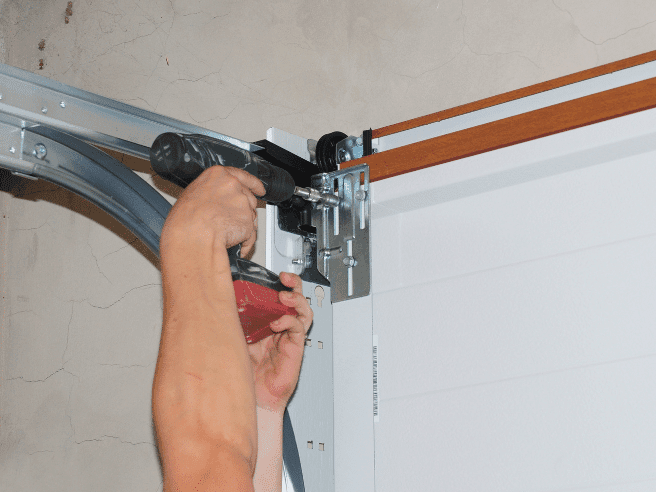
An overhead door, especially an insulated overhead door, is expected to operate smoothly and quietly. When squeaking, grinding, or scraping noises start to appear, it is often a sign that something is not functioning as it should. These sounds may seem minor at first, but they can quickly turn into serious mechanical problems if ignored.
In a coastal city like San Francisco, environmental factors such as moisture, salt air and temperature changes can accelerate wear on overhead door components. This makes early detection and regular maintenance especially important for both residential and commercial properties.
Understanding what causes these noises, what to check and when to take action can help prevent costly repairs, reduce downtime and improve safety.
What Does It Mean When an Overhead Door Squeaks or Grinds?
Not all overhead door noises mean the same thing. Each type of sound often points to a specific issue.
- Squeaking usually indicates friction caused by dry or poorly lubricated parts
- Grinding often suggests worn components or metal rubbing against metal
- Scraping may signal alignment issues or debris in the tracks
- Rattling or clanking can be caused by loose hardware
Recognizing these differences allows faster identification of the problem and helps avoid unnecessary damage.
For a deeper breakdown of grinding sounds, see the related guide Why Is My Overhead Door Making Grinding Noises?
Lack of Lubrication on Moving Parts
One of the most common causes of overhead door noise is a lack of proper lubrication. Over time, moving components lose lubrication due to regular use and exposure to environmental conditions.
Why It Happens
Hinges, rollers, springs and bearings depend on lubrication to reduce friction. When these parts dry out, they begin to rub against each other, producing squeaking or squealing sounds.
What to Check
- Dry or rusty hinges
- Rollers that do not spin smoothly
- Springs that make noise during movement
Expert Insight
In coastal environments like San Francisco, moisture can wash away lubrication faster than in inland areas. This increases the need for more frequent maintenance.
Prevention Tips
- Apply a garage door-specific lubricant every few months
- Avoid using temporary solutions that do not provide lasting protection
- Perform regular inspections to catch early signs of dryness
Proper lubrication not only reduces noise but also extends the life of key components.
For more details on this issue, check out What Causes an Overhead Door to Squeak Loudly?
Worn or Damaged Rollers
Rollers play a critical role in guiding the overhead door along its tracks. When they wear out, the door may produce grinding or rumbling noises.
Types of Rollers
- Steel rollers are durable but tend to become noisy over time
- Nylon rollers operate more quietly but can wear down with frequent use
Signs of Roller Problems
- Loud grinding or rumbling sounds
- Door shaking or vibrating during movement
- Visible cracks, chips, or uneven wear
What to Check
- Roller condition and alignment
- Smoothness of movement along the track
Real-World Insight
In high-traffic environments such as warehouses or parking facilities, rollers can wear out faster than expected due to constant operation.
Prevention Tips
- Schedule routine inspections
- Replace worn rollers before they cause further damage
- Consider upgrading to quieter, high-quality rollers when needed
To understand when noise becomes a real concern, read When Is an Overhead Door Noise a Serious Problem?
Misaligned or Dirty Tracks
Tracks are essential for guiding the overhead door. When they become misaligned or filled with debris, the door may struggle to move properly.
Common Causes
- Dirt, dust, or debris buildup
- Moisture leading to rust or corrosion
- Minor structural shifts in the building
Symptoms
- Scraping or grinding noise
- Door jerks or stops during operation
- Visible gaps or bends in the track
What to Check
- Cleanliness of the tracks
- Signs of bending or misalignment
Safety Note
Cleaning tracks is generally safe, but realignment should only be handled by trained professionals to prevent further damage or injury.
Prevention Tips
- Keep tracks clean and free of debris
- Inspect alignment periodically
- Address minor issues before they worsen
Loose Hardware and Vibrating Components
Overhead doors operate through repeated movement, which can cause hardware to loosen over time. This often results in rattling or clanking sounds.
Common Problem Areas
- Hinges
- Brackets
- Bolts and fasteners
Signs of Loose Hardware
- Vibrating or shaking noise during operation
- Visible movement in components
- Increased noise over time
What to Check
- Tightness of all visible bolts and screws
- Stability of brackets and mounting points
Prevention Tips
- Perform regular visual inspections
- Tighten loose hardware as needed
- Schedule periodic maintenance checks
Addressing loose components early helps prevent more serious structural issues.
Worn-Out Springs or Cables
Springs and cables are responsible for lifting and lowering the overhead door. When these components begin to wear out, they can produce noticeable noise.
Warning Signs
- Grinding or straining sounds
- Door feels heavier than usual
- Uneven or jerky movement
Why It Matters
Springs operate under high tension and are critical for safe operation. A failing spring can lead to sudden door failure.
Safety Reminder
Repairs involving springs or cables should never be attempted without proper training. These components can be dangerous if handled incorrectly.
Prevention Tips
- Monitor door balance and movement
- Schedule professional inspections
- Replace worn components before failure occurs
Aging Overhead Door Opener
In some cases, the noise originates from the opener rather than the door itself.
Types of Opener Noise
- Grinding may indicate motor wear
- Clicking could be related to electrical components
- Vibration may result from loose internal parts
What to Check
- Identify whether the noise comes from the opener or the door
- Assess the age and condition of the system
Local Insight
Many buildings in San Francisco still rely on older opener systems that lack modern noise-reduction features.
Prevention Tips
- Maintain the opener regularly
- Replace outdated systems when necessary
- Ensure proper installation and alignment
Weather-Related Wear and Corrosion
Environmental conditions play a major role in overhead door performance. Coastal climates introduce additional challenges.
Effects of San Francisco Climate
- Increased rust due to moisture and salt air
- Faster wear of metal components
- Reduced efficiency of moving parts
Common Issues
- Corroded springs and hinges
- Increased friction leading to squeaking
- Shortened lifespan of components
Prevention Tips
- Use corrosion-resistant materials
- Apply protective coatings where appropriate
- Schedule routine inspections to detect early signs of rust
Is Your Overhead Door Noise a Warning Sign?
Some noises are early warnings, while others indicate urgent issues that require immediate attention.
Serious Warning Signs
- Loud, persistent grinding noise
- Door stops suddenly or operates unevenly
- Visible damage to springs or cables
- Door appears off-track
Ignoring these signs can lead to system failure, safety hazards and costly repairs.
What Can Be Checked Before Calling a Professional
A few basic checks can help identify the source of the problem without attempting risky repairs.
Safe Inspection Steps
- Look for debris or buildup in the tracks
- Listen carefully to locate the source of the noise
- Check for loose hardware
- Observe the door’s movement
Important Limitation
Avoid handling high-tension or electrical components. Professional assistance is recommended for complex issues.
How to Prevent Overhead Door Noise
Preventive maintenance is the most effective way to avoid noisy operation and extend the life of an overhead door.
Routine Maintenance
- Lubricate moving parts every 3 to 6 months
- Inspect components regularly
Keep Components Clean
- Remove dirt and debris from tracks
- Wipe down exposed metal parts
Proper Usage
- Avoid forcing the door open or closed
- Ensure proper operation at all times
Address Issues Early
- Small noises can quickly become major problems
- Early action reduces repair costs and downtime
Seasonal Maintenance Tips for San Francisco Properties
Due to its coastal climate, San Francisco requires a more proactive approach to overhead door maintenance.
Spring and Summer
- Inspect for salt buildup and corrosion
- Clean and lubricate all moving parts
Fall and Winter
- Check for moisture-related wear
- Ensure components are protected against rust
Year-Round Tip
Frequent inspections help maintain consistent performance despite changing environmental conditions.
Residential vs Commercial Overhead Door Noise
Noise issues can vary depending on the type of property.
Residential Doors
- Typically used less frequently
- Noise often caused by lack of maintenance
Commercial Doors
- High usage leads to faster wear
- Components such as rollers and springs experience more stress
Key Takeaway
Commercial overhead doors require more frequent inspections and maintenance due to higher operational demands.

When to Call a Professional for Overhead Door Repair
Certain situations require expert attention to ensure safety and long-term performance and in some cases, commercial door replacement may be necessary.
Call a Professional If:
- Noise persists after basic maintenance
- The door becomes difficult to operate
- Springs or cables show signs of damage
- Safety features are not functioning properly
Professional technicians can provide accurate diagnosis and safe, reliable solutions.
Average Cost Insight
The cost of addressing overhead door noise, including systems like a commercial hollow metal door depends on the severity of the issue.
- Minor maintenance is generally low cost
- Replacing parts such as rollers or hinges falls into a moderate range
- Major repairs involving springs or openers can be higher
Preventive maintenance is typically more cost-effective than emergency repairs.
Fix the Noise Before It Gets Worse
Squeaking or grinding noises in an overhead door or roll-up door are not just minor inconveniences; they are early warning signs of potential problems. Addressing these issues early helps maintain safety, efficiency and long-term reliability.
In San Francisco, environmental factors can accelerate wear, making regular maintenance even more important. By understanding the causes of overhead door noise, performing basic checks and seeking professional help when needed, it is possible to prevent costly repairs and ensure smooth operation.
Trusted Overhead Door Experts You Can Rely On
For reliable service and expert support, The Door Doctor is known for delivering trusted overhead door solutions backed by industry experience and a strong commitment to safety. Whether dealing with persistent noise or early warning signs, professional guidance can make all the difference. Contact us today or give us a call to schedule an inspection and keep the door running smoothly while avoiding costly issues down the line.