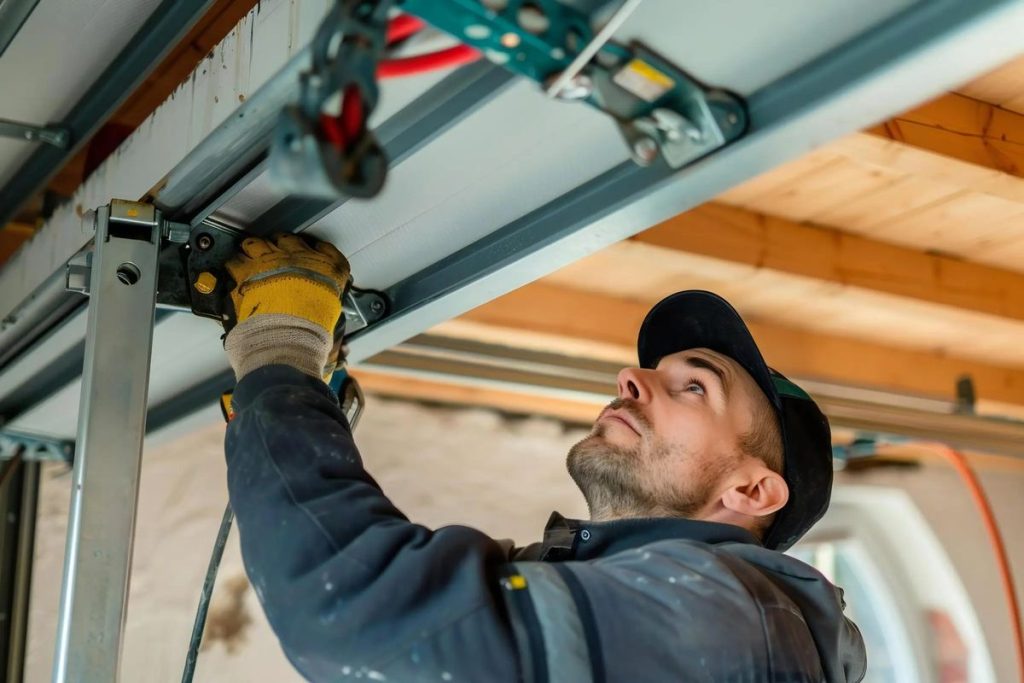
A squeaky overhead door may seem like a minor annoyance, but it is often an early warning sign of a deeper issue. That sharp or high-pitched sound usually means that parts are wearing down, rubbing incorrectly, or lacking proper maintenance. Ignoring it can lead to safety risks, unexpected breakdowns and higher repair costs over time.
In commercial and industrial settings, a noisy overhead door including an insulated overhead door can disrupt daily operations, slow productivity and even pose safety hazards. In residential properties, it may indicate that key components are starting to fail, especially in doors designed for energy efficiency and noise reduction.
Environmental conditions in San Francisco, CA, make the issue even more important. Coastal moisture, salt in the air and frequent temperature changes can accelerate wear and corrosion on door components. These factors can cause lubrication to break down faster and metal parts to deteriorate sooner than expected.
This guide explains the most common causes of overhead door squeaking, what to check, how to prevent the issue and when professional help is necessary.
Lack of Proper Lubrication
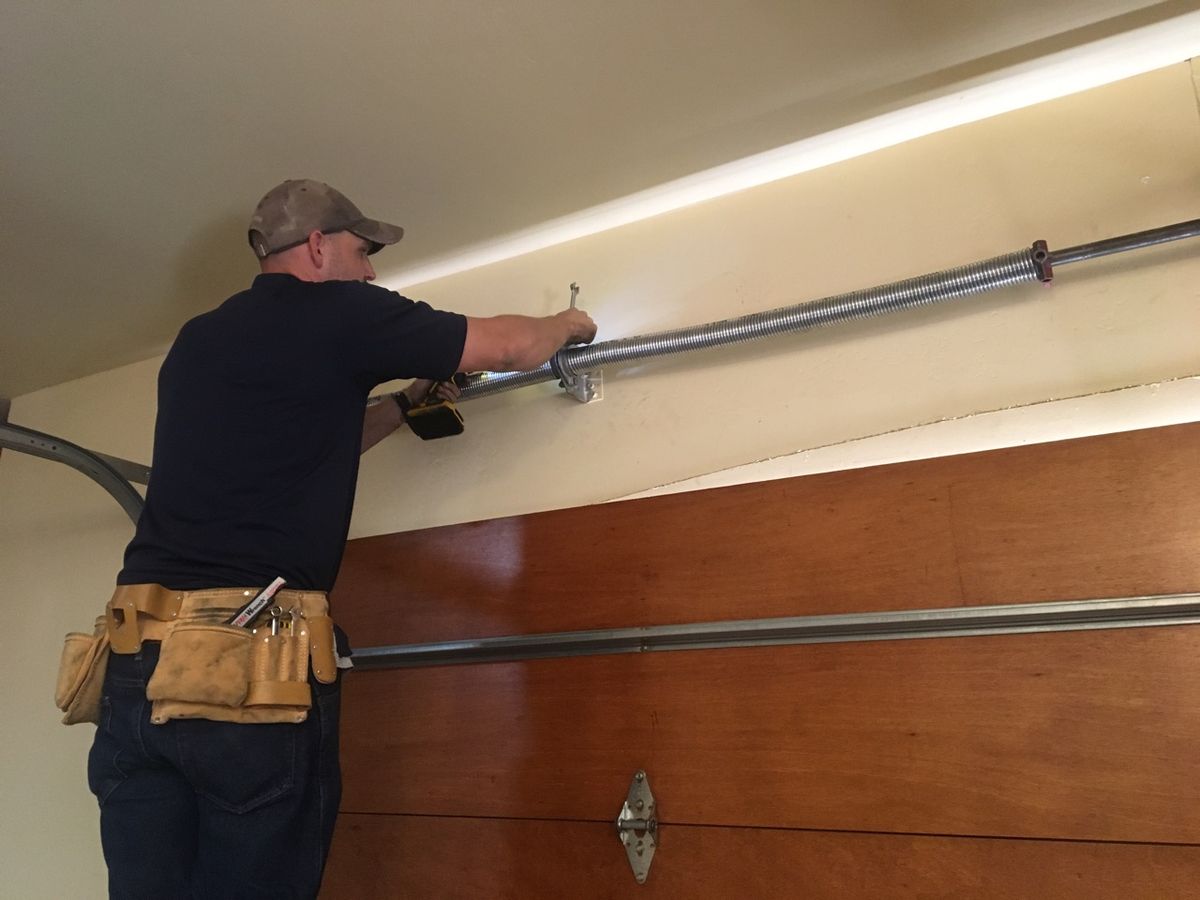
The most frequent cause of a squeaky overhead door is a lack of proper lubrication. Overhead doors rely on several moving metal components working together smoothly. When lubrication dries out or is missing, friction increases and creates noise.
Parts affected include:
- Rollers
- Hinges
- Springs
- Bearings
Without lubrication, these parts grind against each other, producing a squeaking or screeching sound.
Why Overhead Door Squeaks Happens More in San Francisco Businesses
Coastal air contains moisture and salt, which can break down lubricants more quickly. This means doors in San Francisco often require more frequent maintenance.
What to Check:
- Dry or dusty moving parts
- Squeaking during movement
- Increased resistance when opening or closing
Practical Tip:
Use a lubricant specifically designed for overhead doors. Avoid general-purpose oils, as they may attract dust and wear off quickly.
Expert Insight:
Too much lubricant can be just as harmful as too little. Excess lubricant can trap debris, leading to buildup and further friction.
For a deeper breakdown of noise issues, read Overhead Door Squeaking or Grinding? Find the Cause Quickly.
Worn or Damaged Rollers
Rollers are essential for guiding the door along its tracks. When they wear out or become damaged, they can create both squeaking and grinding noises.
Steel rollers are strong but tend to become noisy over time, especially if they lose lubrication. Nylon rollers are quieter but may crack or degrade with age.
Signs of Roller Problems:
- Visible cracks or wear
- Rollers that wobble or stick
- Uneven or jerky door movement
What to Check:
- Rollers not spinning smoothly
- Flat spots or chips on roller surfaces
Solution Guidance:
Replacing worn rollers is usually more effective than repairing them.
Average Cost Insight:
Roller replacement typically falls within a moderate cost range depending on the type and number of rollers.
Learn more about related issues in Why Is My Overhead Door Making Grinding Noises?.
Loose Hardware and Fasteners
Overhead doors operate multiple times a day, causing constant vibration. Over time, this can loosen hardware such as bolts, nuts, hinges and brackets.
Loose components can shift slightly out of position, creating friction and noise as the door moves.
What to Check:
- Loose hinges or brackets
- Rattling sounds along with squeaking
- Visible gaps between components
Practical Tip:
Tightening hardware can help reduce noise, but care must be taken to avoid over-tightening.
EEAT Insight:
Improper adjustments can affect door balance and alignment, leading to more serious problems if not handled correctly.
Find out when noise becomes a real concern in When Is an Overhead Door Noise a Serious Problem?.
Misaligned or Dirty Tracks
Tracks are responsible for guiding the overhead door smoothly during operation. If they become misaligned or filled with debris, the door may not move evenly, causing squeaking noises.
San Francisco Environmental Impact:
Dust combined with coastal moisture can create buildup inside tracks, increasing friction.
What to Check:
- Dirt, dust, or debris in the tracks
- Bent or uneven track sections
- Door rubbing against the track
Practical Tip:
Keeping tracks clean and free from obstruction helps maintain smooth and quiet operation.
Aging or Dry Hinges
Hinges allow the door panels to bend and move as the door opens and closes. Over time, hinges can dry out, rust, or wear down, resulting in a squeaking sound.
What to Check:
- Rust or corrosion on hinges
- Stiff or uneven movement
- Noise coming from panel joints
Solution Insight:
Lubrication may temporarily reduce noise, but worn hinges often require replacement for long-term performance.
Spring System Issues
The spring system is one of the most important and dangerous parts of an overhead door. Springs carry the weight of the door and allow it to open and close smoothly.
When springs begin to wear out, they may produce squeaking sounds due to increased tension and strain.
Warning Signs:
- Loud squeaking or creaking noises
- Door feels heavier than usual
- Uneven movement or sudden jerks
Important Safety Note:
Spring systems operate under high tension and should never be handled without proper training.
Average Cost Insight:
Spring repairs or replacements typically fall into a higher cost range due to the complexity and safety risks involved.
Weather Effects and Environmental Factors
Environmental conditions play a major role in overhead door performance. In San Francisco, coastal air and changing temperatures can impact door components significantly.
Key Environmental Factors:
- Moisture leading to rust and corrosion
- Salt air accelerating metal deterioration
- Temperature changes causing expansion and contraction
What to Check:
- Increased noise during certain weather conditions
- Visible signs of rust
- Changes in door performance throughout the day
Practical Tip:
Seasonal inspections can help identify and address weather-related issues early.
Poor Installation or Aging Overhead Door System
An overhead door that was not installed correctly may develop squeaking problems early. Misalignment, improper tension, or uneven weight distribution can all contribute to noise.
Older doors also experience natural wear over time, even with proper maintenance.
What to Check:
- Persistent noise despite maintenance
- Uneven door movement
- Frequent need for adjustments
Expert Insight:
In some cases, upgrading components or replacing the entire system may be more cost-effective than ongoing repairs.
Lack of Routine Maintenance
Routine maintenance is often overlooked, but it plays a critical role in preventing squeaking and other issues.
Small problems, such as dry parts or loose hardware, can quickly develop into larger and more expensive repairs.
What to Check:
- No recent inspection or servicing
- Gradual increase in noise
- Multiple minor issues appearing at once
Practical Tip:
Regular inspections help identify problems early and maintain consistent performance.
Types of Overhead Doors and How They Affect Noise
Different types of overhead doors can produce different kinds of noise depending on their design and materials.
Common Types:
- Sectional overhead doors
- Roll-up doors
- Insulated overhead doors
- Commercial-grade steel doors
Each type has unique components and maintenance needs. For example, insulated doors may reduce sound but still require proper lubrication and alignment. Roll-up doors may produce more noise if not maintained regularly due to their compact design.
Understanding the type of door helps in identifying the source of squeaking more accurately.
How to Prevent a Squeaky Overhead Door
Preventing squeaking is more effective and affordable than fixing major issues later and in some cases, early action can even help avoid the need for a full commercial door replacement.
Preventive Maintenance Tips:
- Inspect the door regularly for signs of wear
- Lubricate moving parts on a consistent schedule
- Keep tracks clean and clear of debris
- Address unusual noises immediately
- Ensure proper usage in commercial environments
- Monitor environmental exposure
In San Francisco, preventive care is especially important due to environmental factors that can accelerate wear.
When Is a Squeaking Overhead Door a Serious Problem?
While some squeaks are minor, others indicate serious issues that require professional attention, especially in heavy-duty systems like a commercial hollow metal door.
Warning Signs:
- Noise continues after basic maintenance
- Door becomes difficult or unsafe to operate
- Springs or cables show visible damage
- Door moves unevenly or unpredictably
- Safety systems are not functioning properly
Professional technicians can diagnose the problem accurately and ensure safe, long-term solutions.
Protecting Performance and Safety
A squeaky overhead door including a roll-up door is not just a minor inconvenience; it is often an early warning sign of wear, misalignment, or lack of maintenance. Addressing the issue early helps prevent more serious problems, reduces repair costs and ensures safe operation.
In San Francisco, environmental conditions such as coastal moisture and temperature changes can accelerate wear, making regular maintenance even more critical.
By understanding the causes of squeaking, performing routine checks and taking action when needed, it is possible to maintain a quiet, efficient and reliable overhead door system.
Proactive care not only reduces noise but also protects long-term performance, safety and overall operational efficiency.
Professional Overhead Door Service You Can Rely On
For property owners looking for reliable support, The Door Doctor is known for delivering expert inspections, maintenance and long-term solutions tailored to demanding commercial environments. Getting professional guidance ensures issues are addressed correctly the first time, helping avoid unnecessary downtime and costly repairs. Contact us today or give us a call to schedule a professional inspection and keep overhead doors operating safely and efficiently.