
A grinding noise coming from an overhead door is more than just an inconvenience; it is often an early warning sign of mechanical wear, alignment issues, or component failure. In commercial environments where overhead doors, including an insulated overhead door, are used multiple times a day, ignoring these sounds can lead to costly repairs, operational downtime and safety risks.
In a city like San Francisco, environmental conditions such as coastal moisture, salt air and temperature fluctuations can accelerate wear on metal components. Combined with high daily usage in warehouses, loading docks and retail storage facilities, even minor issues can develop quickly.
Understanding what causes grinding noises and what steps to take next helps prevent small problems from turning into major disruptions.
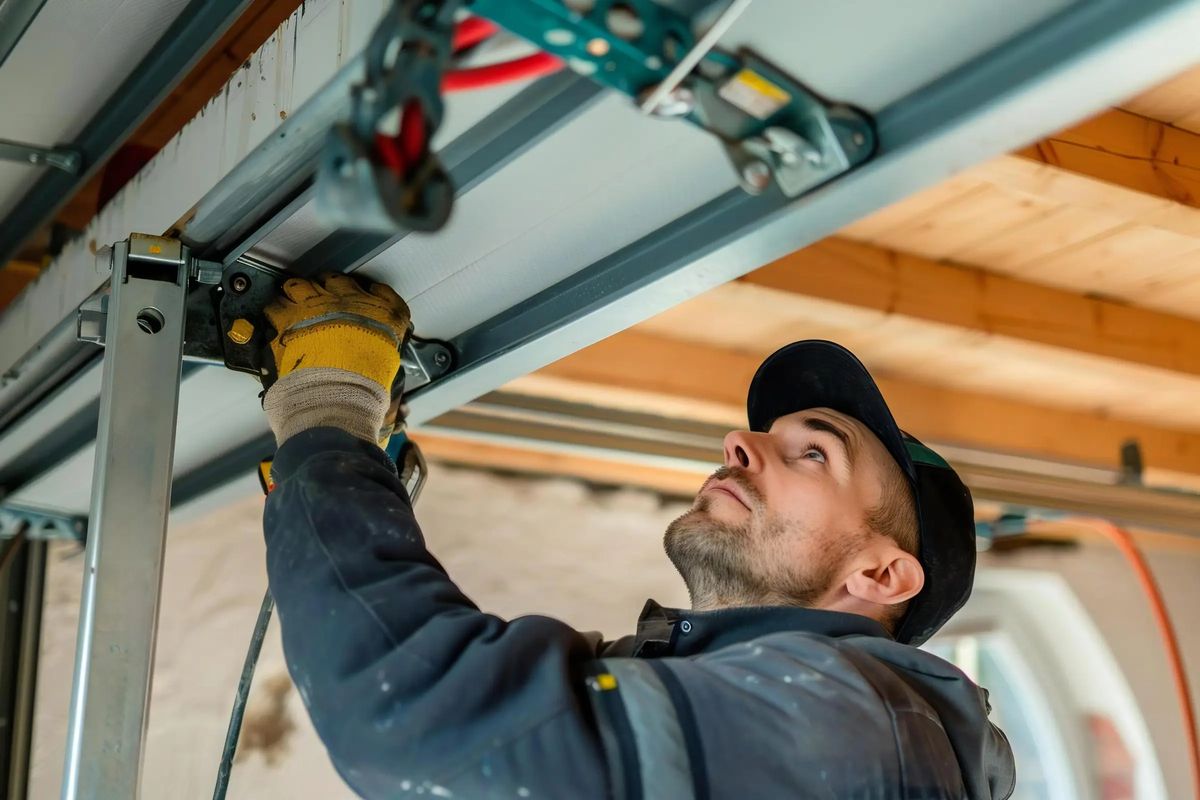
Worn or Damaged Rollers
Rollers are one of the most common sources of grinding noises in an overhead door system.
Why it happens
Rollers guide the door along the tracks. Over time, constant friction, heavy usage and exposure to dust or moisture cause them to wear down. In coastal environments like San Francisco, corrosion can speed up this process.
Signs to watch for
- Grinding or scraping noise during operation
- Door shaking or vibrating
- Uneven or jerky movement
- Visible wear, cracks, or flattened edges
What to check
Carefully observe the rollers while the door is moving. Look for rollers that do not spin freely or appear rusted.
Real-world insight
High-cycle commercial doors often experience faster roller wear due to frequent opening and closing throughout the day.
Prevention tips
- Use high-quality, commercial-grade rollers
- Schedule routine inspections
- Apply proper lubrication regularly
For a deeper look at related noise issues, check out the blog Overhead Door Squeaking or Grinding? Find the Cause Quickly to better understand early warning signs and solutions.
Lack of Proper Lubrication
Insufficient lubrication is one of the simplest yet most overlooked causes of grinding noise.
Why it happens
Metal components such as hinges, bearings and springs require lubrication to reduce friction. Without it, parts begin to grind against each other, producing noise and accelerating wear.
Signs to watch for
- Squeaking that progresses into grinding
- Increased resistance during operation
- Slower or inconsistent movement
What to check
Inspect all moving parts, especially hinges, roller stems and bearing plates.
Prevention tips
- Use a silicone-based or commercial-grade lubricant
- Avoid heavy grease that attracts dust
- Follow a consistent maintenance schedule
For more insights on related noise issues, read the blog What Causes an Overhead Door to Squeak Loudly? to understand common causes and prevention methods.
Misaligned or Bent Tracks
Tracks are essential for guiding the door’s movement. When they are misaligned or damaged, grinding noises often occur.
Why it happens
Tracks can shift due to accidental impact, structural movement, or prolonged use. Even slight misalignment can cause rollers to rub against the metal surface.
Signs to watch for
- Grinding or rubbing sounds
- Door appears uneven
- Gaps between rollers and track
- Difficulty opening or closing
What to check
Inspect both vertical and horizontal tracks for dents, bends, or loose brackets.
Real-world insight
In commercial settings, equipment such as forklifts may accidentally hit the tracks, causing alignment issues.
Prevention tips
- Keep equipment clear of door tracks
- Perform routine visual inspections
- Address minor alignment issues early
To better understand when noise becomes a real concern, explore the blog When Is an Overhead Door Noise a Serious Problem? for deeper insights and guidance.
Debris Buildup in Tracks
Debris accumulation is a common issue, especially in busy commercial environments.
Why it happens
Dust, dirt, packaging materials and small debris can collect in the tracks over time.
Signs to watch for
- Crunching or grinding sounds
- Visible dirt or obstruction
- Door slowing down during operation
What to check
Inspect the entire length of the track, including corners and hard-to-reach areas.
Prevention tips
- Clean tracks regularly with a dry cloth or soft brush
- Avoid using excessive moisture
- Maintain a clean working environment around the door
Worn Bearings or Hinges
Bearings and hinges allow smooth and controlled movement of the door.
Why it happens
Frequent use leads to gradual wear, especially in high-cycle commercial doors.
Signs to watch for
- Grinding or rattling noise
- Loose door sections
- Reduced smoothness during operation
What to check
Examine hinges for looseness or cracks and listen near bearing plates for unusual sounds.
Prevention tips
- Replace worn components early
- Include these parts in routine inspections
- Ensure proper lubrication
Motor or Opener Issues
Grinding noises may also originate from the opener system rather than the door itself.
Why it happens
Internal gears within the motor can wear out over time, particularly in older systems or those under heavy load.
Signs to watch for
- Noise coming from the opener unit
- Delayed response when activating
- Inconsistent door movement
What to check
Listen carefully to the opener and observe its performance during operation.
Prevention tips
- Schedule periodic inspections
- Upgrade outdated systems when necessary
- Avoid overloading the opener
Loose or Worn Hardware
Loose hardware is another common cause of unusual noises.
Why it happens
Vibration from daily use gradually loosens bolts, nuts and brackets.
Signs to watch for
- Rattling combined with grinding
- Visible loose components
- Door instability
What to check
Inspect all mounting points and tighten any loose hardware.
Prevention tips
- Perform regular hardware checks
- Replace missing or damaged fasteners
- Monitor vibration-related wear
Spring System Wear
The spring system is critical for balancing the door’s weight.
Why it happens
Springs experience constant tension and eventually wear out or become unbalanced.
Signs to watch for
- Grinding or straining sounds
- Door feels heavy
- Uneven lifting or closing
What to check
Look for visible gaps, stretching, or wear in the springs.
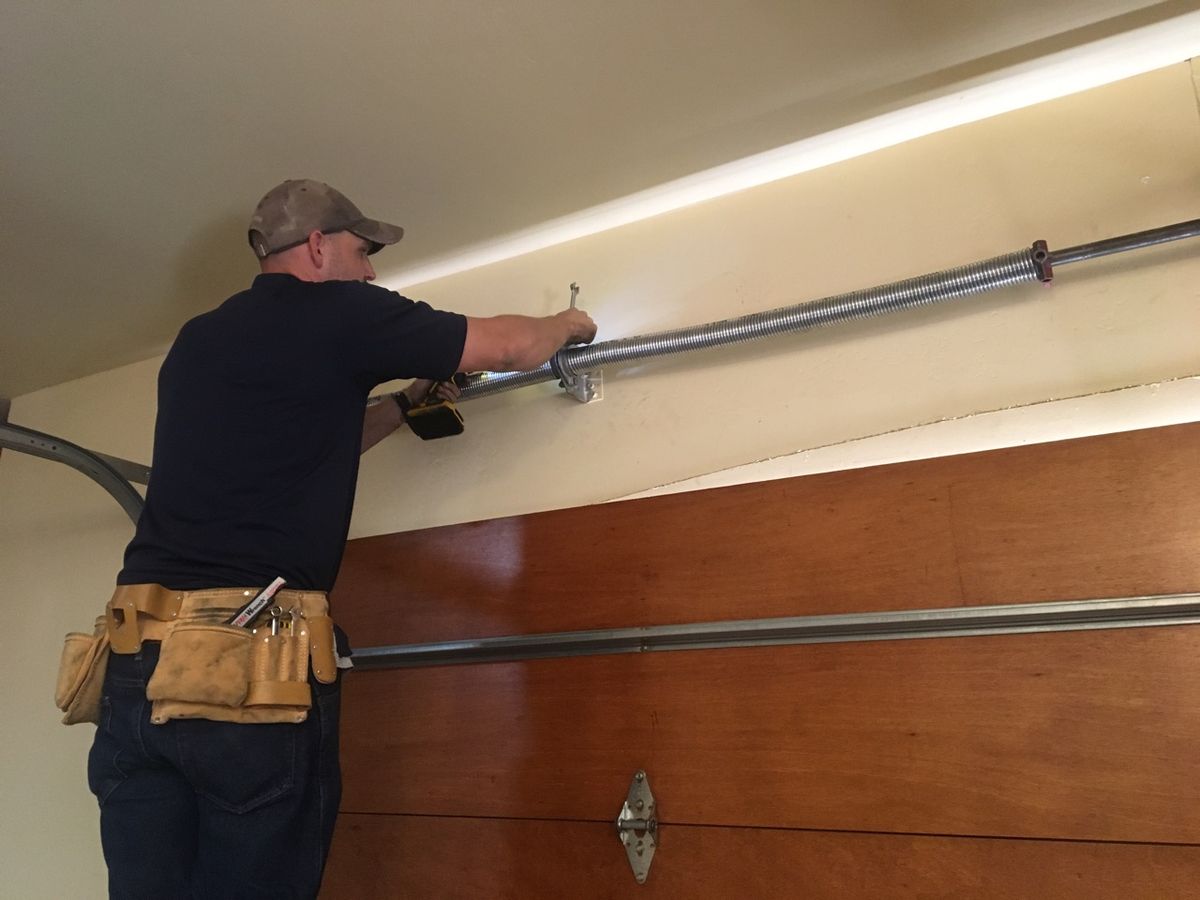
Important: Spring systems are dangerous and should only be handled by trained professionals.
Prevention tips
- Schedule professional inspections
- Replace aging springs before failure
- Avoid forcing the door to operate
Environmental Factors in San Francisco
The local environment in San Francisco plays a significant role in overhead door performance.
Key factors
- Coastal moisture causing corrosion
- Salt air accelerating rust
- Temperature changes affecting metal expansion
- Urban debris buildup
Impact on doors
These conditions can speed up wear on rollers, tracks and hardware, increasing the likelihood of grinding noises.
Prevention tips
- Use corrosion-resistant materials
- Increase maintenance frequency
- Monitor doors after weather changes
When Grinding Noise Becomes a Serious Problem
Not all noises require immediate action, but some indicate serious issues.
Warning signs
- Noise becomes louder over time
- Door is difficult to operate
- Movement becomes uneven or jerky
- Safety features stop working
Ignoring these signs can lead to system failure, safety hazards and operational downtime.
Common Mistakes That Make the Problem Worse
Many issues become more severe due to avoidable mistakes.
Mistakes to avoid
- Ignoring early warning signs
- Forcing the door to operate
- Delaying maintenance
- Attempting complex repairs without proper training
Taking the wrong approach can turn a minor issue into a major repair.
Preventive Maintenance Tips for Long-Term Performance
Preventive maintenance is the most effective way to avoid grinding noises.
Best practices
- Schedule routine inspections
- Lubricate moving parts regularly
- Keep tracks clean and aligned
- Replace worn components early
- Train staff on proper usage
Seasonal considerations
In San Francisco, increased moisture during certain months may require more frequent inspections.
Step-by-Step Inspection Checklist
A simple inspection routine can help identify problems early.
Visual inspection
- Check rollers for wear
- Inspect tracks for debris or damage
- Look for loose hardware
Operational check
- Listen for unusual noises
- Observe door movement
- Check opener response
Safety check
- Ensure safety sensors function properly
- Confirm smooth opening and closing
If any irregularities are found, professional evaluation is recommended.
Average Cost Insight
Costs vary depending on the issue and in some cases, ongoing problems may eventually lead to the need for a full commercial door replacement if components are beyond repair.
- Minor maintenance → generally low cost
- Replacing parts such as rollers or hinges → moderate range
- Major repairs involving springs or openers → higher range
Addressing problems early helps minimize expenses and prevent larger repairs.
When to Call a Professional
Certain situations require expert attention, especially when dealing with systems like a commercial hollow metal door that require precise alignment and durability.
Call a professional if
- Grinding noise persists after basic checks
- The door becomes unsafe or unreliable
- Springs or cables show damage
- Business operations are affected
Professional technicians can provide accurate diagnosis and ensure safe, long-term solutions.
Don’t Ignore the Warning Signs
A grinding overhead door is a clear indication that something is not functioning properly. Whether caused by worn rollers, poor lubrication, or environmental factors, early action is essential, especially for systems like a roll-up door that are frequently used in commercial settings.
In a demanding commercial environment like San Francisco, reliable overhead door operation supports safety, efficiency and productivity. Regular maintenance, early detection and professional support help ensure long-term performance and prevent costly disruptions.
Addressing grinding noises promptly is not just about reducing sound, it is about protecting equipment, maintaining safety and ensuring smooth daily operations.
Trusted Overhead Door Experts for Reliable Commercial Solutions
For businesses looking for dependable solutions, The Door Doctor is known for delivering professional, reliable overhead door services tailored to commercial needs. From accurate diagnostics to long-term solutions, working with experienced technicians helps keep operations running smoothly and safely. Contact us today or give us a call to schedule an inspection and prevent minor issues from becoming major problems.