
Standing in a hardware store or getting a contractor quote can leave any San Francisco homeowner with one burning question: is that hollow metal door actually tougher than a solid wood one?
It sounds simple. But the real answer depends on what “stronger” means in your specific situation. San Francisco homes deal with coastal fog, older building frames, and real security concerns in many neighborhoods. The right commercial hollow metal door for a SoMa storefront is not the same as the right door for a Pacific Heights Victorian.
This guide breaks it all down, no fluff, no sales pitch.
What Is a Hollow Metal Door? (Most People Get This Wrong)
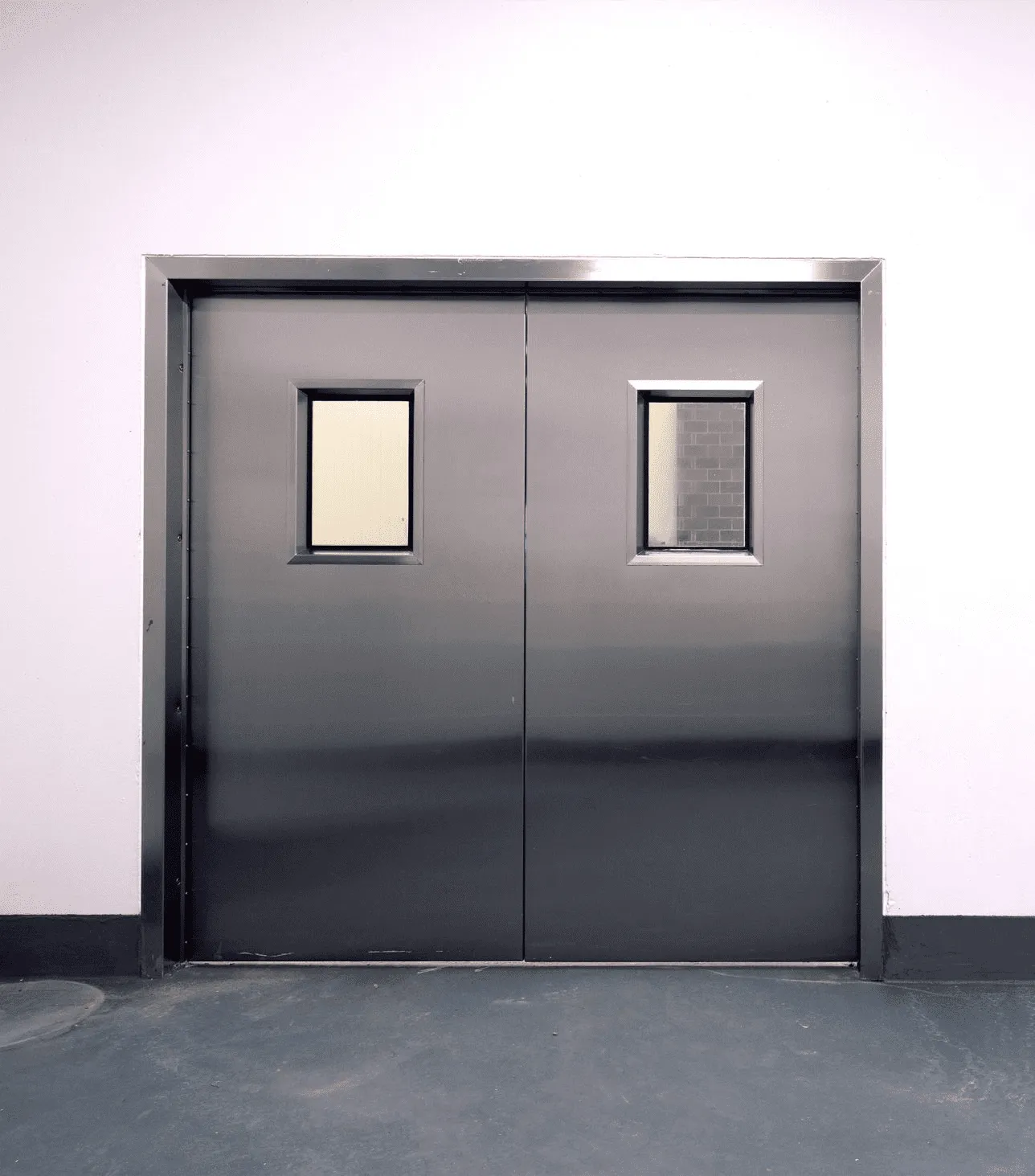
The word “hollow” is misleading. A hollow metal door is not empty inside like a cardboard box.
The shell is typically 16 to 18 gauge steel wrapped around an internal structure. That structure is filled with honeycomb cardboard, polystyrene foam, or steel stiffeners depending on the door’s grade and application.
A solid wood door, by contrast, is wood all the way through, typically pine, oak, mahogany, or engineered wood composite.
Understanding this distinction matters. “Hollow” is a construction industry term, not a description of weakness.
If you want to understand exactly why hollow metal doors are the top choice for commercial properties, Why Hollow Metal Doors Are Trusted for Commercial Security is worth the read.
Impact Resistance: Which Door Holds Up to Physical Force?
When most people ask which door is stronger, they really want to know which one holds up better against physical force.
Hollow metal doors win on impact resistance by a significant margin.
The steel skin resists denting, warping, and splitting in ways wood simply cannot match. Even a high-quality solid wood door can be compromised with a well-placed kick near the lock area. Wood grain creates natural weak points, especially at the stile where the lock hardware is installed.
A properly installed hollow metal door is engineered to resist forced entry. This is why they are standard on:
- Commercial buildings and storefronts
- Schools and hospitals
- Apartment building entry points
- Stairwells and utility rooms
In San Francisco neighborhoods like the Tenderloin, Civic Center, and parts of the Mission, forced entry resistance is not just a feature. It is a necessity.
Pro Tip: Even the strongest door is only as secure as its frame. A hollow metal door paired with a weak wood frame is still a vulnerability. Always match a steel door with a reinforced steel frame and heavy-duty hinges.
Wondering how well hollow metal doors hold up over the long haul? How Long Do Hollow Metal Doors Last in Buildings? breaks it all down.
Fire Resistance: No Contest
This is where hollow metal doors dominate completely.
Wood burns. Steel does not ignite. Fire-rated hollow metal doors are tested and certified to withstand fire exposure for 20, 45, 60, or even 90 minutes depending on the rating. Certifications come from organizations like UL (Underwriters Laboratories).
San Francisco’s building codes, especially for older multi-unit buildings, require fire-rated doors in stairwells, between garages and living spaces, and in certain corridors. Solid wood doors carry no comparable fire rating unless specially treated or built as a composite fire door hybrid.
What to Check: Look at the edge of your current garage-to-home door for a fire rating label. If one exists, any replacement door must meet the same or higher rating. A hollow metal door is almost always the correct solution in this situation.
Want to understand the science behind it? What Makes Hollow Metal Doors Fire-Resistant? covers everything you need to know.
Weather and Moisture Resistance: The Fog Factor
San Francisco averages over 100 foggy days per year. Neighborhoods like the Sunset, Richmond, and Ocean Beach deal with near-constant moisture exposure. This is where door material choice becomes critical.
Wood doors and moisture are natural enemies.
Even the best-sealed wood door will eventually absorb moisture, leading to:
- Swelling that causes the door to stick
- Warping that breaks the seal against the frame
- Rot at the bottom rail and around hardware cutouts
- Paint peeling and cracking that exposes bare wood
Hollow metal doors handle moisture better, but they are not maintenance-free. If the factory finish is compromised, steel will rust. Lower-quality galvanization can show surface rust within a few years in coastal conditions.
What to Look For: Choose hollow metal doors with hot-dipped galvanized or zinc-coated steel, factory-applied primer rated for coastal environments, and properly sealed seams at the top and bottom edges.
Maintenance Tip: Inspect the bottom of any metal door every six months. That is where water pools and where rust begins. A touch-up with rust-inhibiting primer applied early can add years to the door’s lifespan.
Insulation and Energy Efficiency: Where Wood Holds Its Ground
Wood is a natural insulator. A solid wood door with good weatherstripping will keep a home warmer in winter and cooler in summer more effectively than a basic hollow metal door with a cardboard core.
However, insulated hollow metal doors close this gap significantly. A steel door filled with polyurethane foam can achieve R-values between R-5 and R-17, which is competitive with or better than many solid wood options.
In San Francisco, where older Victorians already struggle with drafty frames and heating costs, an insulated steel door can perform just as well as wood once the full door-and-frame system is evaluated together.
What to Check: Always ask for the door’s R-value or U-factor before purchasing. Do not assume solid wood automatically means better insulation.
Noise Reduction: Living in a Dense City
Living near Muni lines, the Bay Bridge approach, or any major SF corridor means noise isolation genuinely matters.
A dense solid wood core door has a natural edge in sound dampening. However, a hollow metal door filled with acoustic foam or mineral wool can match or exceed wood in STC (Sound Transmission Class) ratings.
What to Check: For home offices in the Richmond or properties near Market Street, look for doors with an STC rating of 35 or higher regardless of material.
Aesthetic Appeal: The Honest Comparison
A beautifully crafted solid wood door on a San Francisco Victorian looks stunning. The warmth and grain detail of real wood is hard to replicate.
Standard hollow metal doors can look institutional and cold. They are not what most homeowners picture for a front door on a Painted Lady in the Haight.
However, the modern market has evolved. Steel and hollow metal doors now come in:
- Woodgrain embossed finishes
- Fiberglass composite wraps over steel cores
- Flush contemporary designs that suit SoMa lofts and Dogpatch industrial conversions
Practical Tip: For residential front doors where appearance matters, consider a fiberglass door with a steel core. This hybrid gives the look of wood with the durability of steel and better moisture resistance than either material alone.
Security Ratings: Understanding ANSI/BHMA Grades
The door industry uses ANSI/BHMA grades to rate door hardware and assemblies:
- Grade 1: Heavy-duty commercial use, highest security rating
- Grade 2: General commercial and light institutional applications
- Grade 3: Standard residential use, lowest rating
Most hollow metal doors start at Grade 1 or Grade 2. Most residential wood doors sold at home improvement stores are Grade 3.
For San Francisco property owners securing a Mission District storefront, a Richmond rental unit, or a Noe Valley single-family home, a Grade 1 hollow metal door at exterior entry points is a smart long-term security investment.
The Verdict: Side by Side
|
Category |
Hollow Metal Door |
Solid Wood Door |
|
Impact/Forced Entry |
Winner |
Vulnerable |
|
Fire Resistance |
Winner |
No Rating |
|
Moisture Resistance |
Slight Edge |
Vulnerable |
|
Basic Insulation |
Lower |
Winner |
|
Upgraded Insulation |
Competitive |
Competitive |
|
Curb Appeal (standard) |
Lower |
Winner |
|
Noise Reduction |
Competitive |
Slight Edge |
|
Security Rating |
Winner |
Lower |
|
Long-Term Value |
Winner |
Higher Maintenance |
Bottom line: For security, fire resistance, and long-term durability, hollow metal doors win. For natural aesthetics and basic thermal performance without upgrades, wood holds its own. For most San Francisco applications including commercial properties, multi-unit buildings, garage entry doors, and high-risk locations, hollow metal is the professional recommendation.
Quick Tips to Protect Your Door Investment
- Inspect door seals and weatherstripping twice a year, before and after SF’s rainy season (November through March)
- Check the door frame condition, not just the door itself
- Upgrade strike plates to heavy-duty 3-inch versions regardless of door material
- Refinish wood exterior doors every 2 to 3 years in coastal SF neighborhoods
- Verify fire rating requirements before replacing any garage-to-home door
- Schedule a commercial door replacement consultation at the first sign of sticking, warping, or surface rust
Get the Right Help From a Local Expert You Can Trust
The Door Doctor has the hands-on experience and local knowledge to get the job done right, whether it is a new installation, a fire rating inspection, or a full door replacement. Contact us today or give us a call to schedule a professional assessment.