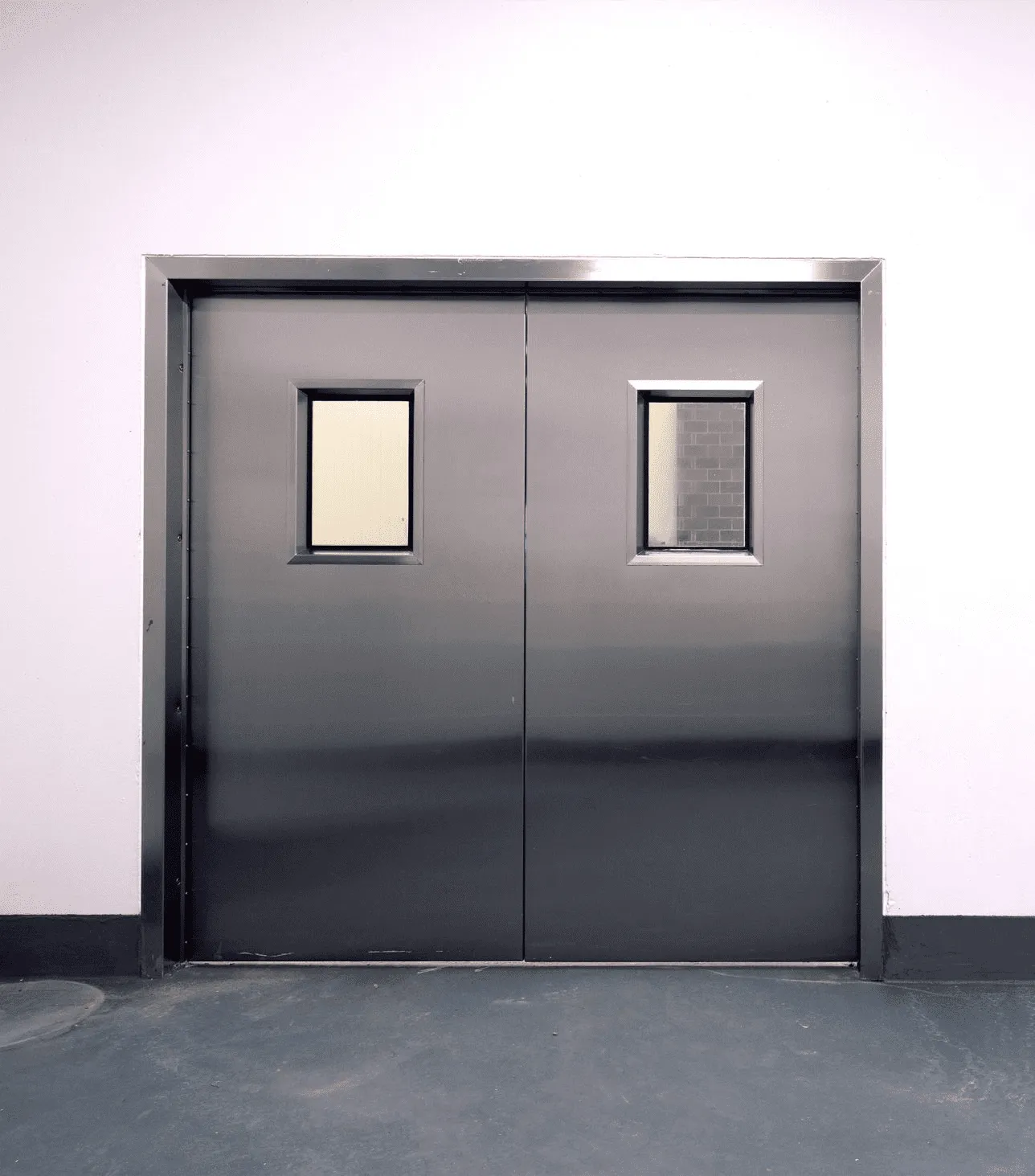
A hollow metal door is not just a sheet of steel bolted to a frame. It is a heavy-gauge steel door with an engineered internal core made of honeycomb material, foam, or steel stiffeners. That core is what gives the door its strength, insulation value, and fire resistance.
These doors are built specifically for commercial use. A commercial hollow metal door performs at a level that wood, fiberglass, or aluminum doors simply cannot match, especially in high-traffic or high-risk buildings.
For business owners in San Francisco, from retail shops in the Mission District to office buildings in the Financial District to warehouses in SoMa, hollow metal doors have become the standard for a very good reason: they work.
Top Reasons Commercial Properties in San Francisco Trust Hollow Metal Doors
1. They Resist Forced Entry Better Than Any Other Door Type
The most important job a commercial door has is keeping unauthorized people out. Hollow metal doors are built from 16 to 18-gauge steel, sometimes even thicker, which makes them extremely difficult to kick in, pry apart, or break through.
Wood doors splinter. Fiberglass cracks under pressure. Steel holds.
For businesses in neighborhoods where commercial break-ins are a concern, including parts of the Tenderloin, Bayview, and SoMa, a door that physically resists forced entry is not optional. It is essential.
What to check: Look at your current commercial door and inspect the area around the lock and frame. If there are dents, pry marks, or gaps near the strike plate, the door may already be compromised and should be evaluated by a professional.
Still not sure how steel stacks up against wood? Read this next: Are Hollow Metal Doors Really Stronger Than Wood?
2. Fire Ratings Keep Businesses Compliant and People Safe
Most hollow metal doors are available with fire ratings of 20, 45, 60, or 90 minutes. That rating means the door will hold back flames and smoke long enough for occupants to exit safely during a fire emergency.
San Francisco commercial buildings must follow strict fire codes enforced by the San Francisco Fire Department (SFFD) and the California Building Code. Buildings that lack properly rated fire doors can fail inspections, face fines, and carry serious liability risk.
Hollow metal doors help businesses stay on the right side of the code while protecting the people inside.
What to check: Look for a label on the edge of the door or the corner of the frame. That label should list the fire rating. No label means the door may not be certified, and a professional inspection is recommended.
Want to know how these doors hold up over years of use? Check out How Long Do Hollow Metal Doors Last in Buildings?
3. They Hold Up Against San Francisco’s Unique Climate
San Francisco’s combination of coastal fog, salt air, and temperature shifts between neighborhoods creates a tough environment for building materials. Wood warps and swells. Fiberglass fades and weakens over time. Properly finished steel holds up.
Modern hollow metal doors are coated with galvanized or zinc-based finishes that fight rust and corrosion. Combined with a quality primer and exterior-grade paint, these doors can perform for decades in the Bay Area’s climate without major issues.
Tip to avoid problems: Inspect the bottom of metal doors every six months. Moisture collects there first. Catching surface rust early means a simple touch-up with rust-inhibiting primer instead of a full door replacement later.
Curious about the science behind fire resistance in these doors? This is worth reading: What Makes Hollow Metal Doors Fire-Resistant?
4. They Are Compatible with Advanced Locking and Access Control Systems
One of the biggest advantages hollow metal doors offer is how well they work with commercial-grade security hardware. These doors can support:
- Mortise locks, which are the most secure option for commercial entry points
- Panic bars and exit devices for emergency compliance
- Electronic access control including keycards and key fobs
- Magnetic locks (maglocks) for controlled entry
- Keypad and biometric entry systems
This flexibility allows property managers to start with a basic lock setup and scale up to a full access control system later without replacing the door itself.
Expert tip: When upgrading to an electronic access system, make sure the hollow metal frame is reinforced to handle the additional hardware. Skipping this step can cause premature wear on the frame and affect door performance over time.
5. They Support ADA Compliance for California Businesses
California enforces some of the strictest ADA requirements in the country. Commercial buildings open to the public must provide accessible entryways with clear opening widths of at least 32 to 36 inches and hardware that is easy to operate without tight gripping or twisting.
Hollow metal doors can be manufactured and installed to meet all of these requirements. Getting it right from the start is far more cost-effective than facing an ADA audit, fines, or legal action down the road.
6. They Offer Sound Control for Professional Settings
Hollow metal doors with insulated cores provide solid sound dampening that surprises many building owners. For law firms, medical clinics, financial advisors, and corporate offices throughout downtown San Francisco, keeping conversations private is not just about comfort. It is about professionalism and confidentiality.
A properly installed hollow metal door with quality seals and a well-fitted frame can significantly reduce noise transmission between rooms and from street traffic outside.
What to look for: Ask about STC (Sound Transmission Class) ratings when selecting a door. The higher the STC number, the better the sound blocking performance.
7. They Are Low Maintenance Compared to Other Door Types
Compared to wood doors that warp, swell, and need regular repainting and resealing, hollow metal doors are remarkably easy to maintain. But low maintenance does not mean zero maintenance.
Here is a simple schedule every San Francisco commercial property owner should follow:
- Every 3 months: Check hinges for tightness and apply silicone-based lubricant
- Every 6 months: Inspect weatherstripping for cracks or compression and replace if needed
- Once a year: Check the full frame for shifting or gaps, especially at corners
- Immediately: Address any rust spots with sanding, primer, and touch-up paint before they spread
Staying ahead of small issues prevents expensive repairs and extends the door’s lifespan significantly.
8. They Can Be Customized Without Losing Security Performance
A common misconception is that hollow metal doors all look industrial or institutional. That is no longer the case. Today’s hollow metal doors are available in a wide range of finishes, paint colors, glass lite options, and panel configurations.
A San Francisco storefront can have a door that looks clean and professional from the street while still delivering the physical security performance of a commercial-grade steel door. Appearance and security do not have to be a trade-off.
9. They Deliver Long-Term Cost Value
The upfront investment in a quality hollow metal door is higher than wood or fiberglass alternatives. However, the long-term value makes the cost difference easy to justify.
Hollow metal doors last significantly longer, require fewer repairs, are harder to damage in a break-in attempt, and can contribute to lower commercial insurance premiums in some cases. Some San Francisco insurers offer discounts for buildings with certified fire-rated and forced-entry-resistant doors. It is worth asking an insurance provider directly.
Average cost for commercial hollow metal door installation varies based on door size, fire rating, and hardware specifications, but most property owners find the investment pays for itself over the life of the door.
10. They Are Backed by Industry Standards and Certifications
Hollow metal doors earn the trust of architects, contractors, property managers, and security professionals because they consistently meet or exceed recognized industry standards, including:
- ANSI/SDI standards from the Steel Door Institute
- NFPA 80 from the National Fire Protection Association
- UL certifications from Underwriters Laboratories
- California Building Code requirements
That kind of track record across decades of commercial use is not marketing. It is performance backed by third-party verification.
Common Problems to Watch For
Even the best hollow metal doors can develop issues over time, especially in older buildings. Catching problems early makes a significant difference in repair costs.
- Door misalignment: If the door drags on the floor or does not latch smoothly, the frame may have shifted. Older San Francisco buildings that have settled over the years are especially prone to this. Do not force the door. A professional should realign the frame before the door panel or lock hardware gets damaged.
- Rust at the bottom of the door: Almost always caused by standing water or condensation. Treat surface rust early with rust-inhibiting primer. Deep rust that has spread into the steel may require door replacement. A professional inspection can determine the severity.
- Drafts or visible gaps around the frame: Gaps reduce both energy efficiency and security. Check the weatherstripping first since that is an inexpensive fix. If the gap is in the frame itself, a technician should assess whether the frame needs adjustment or replacement.
- Door that feels heavier or harder to open: Hollow metal doors are heavy by design. If the door suddenly becomes more difficult to operate, the hinges may be worn or the door closer may need adjustment. This is a safety concern in emergency situations and should be addressed promptly.
When to Call a Professional
Some basic upkeep tasks can be handled in-house. However, these situations require a licensed commercial door professional:
- The door no longer latches or locks securely
- Visible damage exists on the door panel or frame
- A locking or access control system upgrade is planned
- The door is failing a fire safety or building inspection
- There is uncertainty about whether current doors meet San Francisco building code
A qualified commercial door specialist can assess the situation, recommend the correct solution, and ensure everything meets local code requirements.
Your Building Is Only as Secure as the Door Protecting It
A commercial building’s security is only as strong as its weakest entry point. Hollow metal doors stop forced entry, meet fire codes, support modern security systems, and last for decades with proper care.
For San Francisco business owners who want reliable, code-compliant, and long-lasting security at every entry point, hollow metal doors are not just a good option. They are the trusted standard.
If current commercial doors are older, damaged, or not up to code, commercial door replacement is the right first step toward protecting the building and everyone inside it.
Work With a Trusted Commercial Door Expert in San Francisco
The Door Doctor has been serving commercial properties across San Francisco and the Bay Area with installation, inspection, and repair services that property owners trust. When the job needs to be done right, the experience shows. Contact us today or give us a call to schedule a professional assessment for your building.