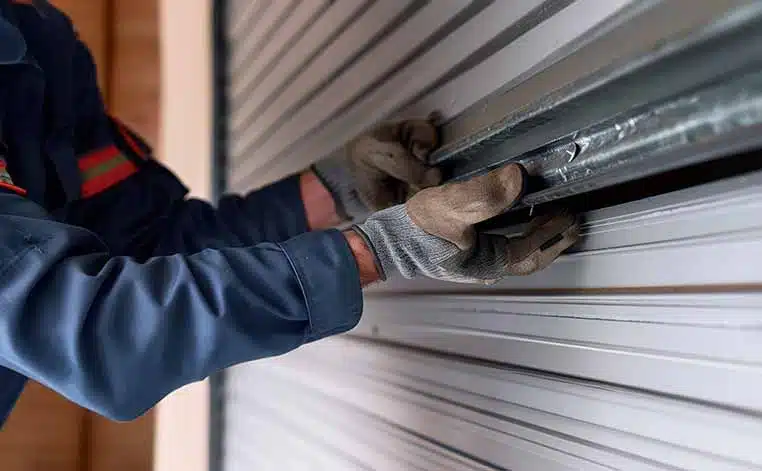
If you’ve ever pressed the button to open your roll-up door and watched it groan, lift halfway, then suddenly stop, you know how frustrating that moment is. Whether it’s a home garage in the Sunset District or a commercial loading bay in SoMa, a roll-up door that refuses to open all the way is more than just an inconvenience. It’s a security risk, a business disruption, and a sign that something inside the door system needs attention.
A roll-up door that won’t open all the way is usually caused by broken or worn torsion springs, track misalignment, cable problems, or a malfunctioning opener. In some cases, physical obstructions or limit switch errors are to blame. Identifying the exact cause early can prevent costly repairs down the line.
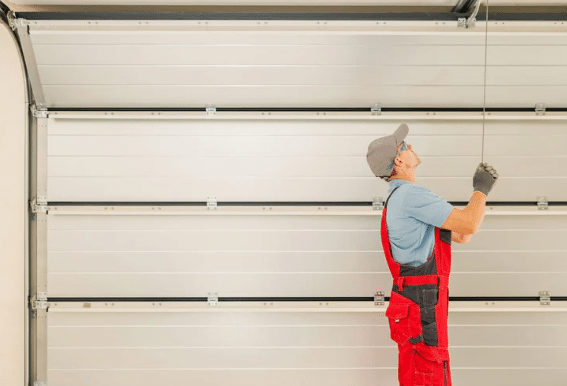
10 Common Reasons Your Roll-Up Door to Stop Opening Fully
1. Broken or Worn-Out Torsion Springs
Torsion springs are the heavy-duty, coiled metal components mounted above the door. Think of them as the muscle behind every open and closed cycle. Every time the door moves, those springs are doing most of the heavy lifting. When one breaks or loses tension, the door loses its counterbalance and simply cannot travel the full distance upward.
Warning signs to watch for:
- A loud bang coming from the garage (often described as a gunshot sound)
- A visible gap in the spring coil
- The door feels extremely heavy when trying to lift it manually
- The door opens a few inches and then stops
San Francisco’s coastal fog and salt air are especially tough on torsion springs. Neighborhoods like the Richmond District and Outer Sunset experience higher levels of moisture exposure, which speeds up corrosion and shortens spring life. Standard torsion springs are rated for about 10,000 open and close cycles, which equals roughly 7 to 10 years of normal use. Waiting for a full break before replacing them is a mistake that leads to bigger repair bills.
Important safety note: Torsion springs are under extreme tension. Attempting to replace or adjust them without professional training can result in serious injury. Always call a certified garage door technician for spring-related repairs.
Ready to get ahead of roll-up door problems before they shut your operations down? Read “Commercial Roll-Up Door Problems: 5 Signs It’s Time for Repair“ and know exactly what to watch for before it becomes an emergency.
2. Misaligned or Bent Tracks
The tracks are the metal rails that guide the door as it rolls up and down. Even a small bend, gap, or section that has pulled away from the wall is enough to cause the door to bind mid-travel and stop before reaching the fully open position.
Warning signs to watch for:
- Visible dents or bends in the track
- Gaps between the rollers and the rail
- A scraping or rubbing sound during operation
- The door appears to tilt or wobble as it moves
Many older buildings in San Francisco neighborhoods like the Mission District and Haight-Ashbury still have original tracks that have never been professionally serviced. Over decades of use, these tracks shift, corrode, and get bumped by vehicles or equipment. A track that looks fine to the naked eye can have subtle misalignments that are only visible to a trained technician.
Prevention tip: Avoid letting vehicles, carts, or equipment make contact with the garage door or its surrounding frame. Even minor bumps are one of the most common causes of track damage in urban settings like San Francisco.
Hearing strange noises every time the roll-up door moves? Do not ignore it. Read “Why Is My Roll-Up Door Making Grinding Noises“ and find out what the door is trying to tell you before the problem gets worse.
3. Damaged or Frayed Cables
The lift cables on a roll-up door are steel wires that work together with the springs to raise and lower the door evenly. When a cable frays, snaps, or jumps off the drum, one side of the door loses support. The result is an uneven lift where one side rises higher than the other, causing the door to bind and stop.
Warning signs to watch for:
- The door rises unevenly, with one side higher than the other
- Visible fraying or kinking in the cable
- A cable that appears loose or has come off the drum
- The door makes a grinding noise near the cable drum area
San Francisco’s high humidity levels, particularly in neighborhoods close to the bay and ocean, accelerate cable wear. Areas like Daly City border zones and the Bayview can see faster cable deterioration than drier inland climates.
Prevention tip: Schedule an annual cable inspection as part of a routine maintenance visit. Cables are easy to overlook during a quick visual check, but a professional can spot early signs of wear before they become a full failure.
Important safety note: Like torsion springs, lift cables are under significant tension. Cable repairs should always be handled by a licensed garage door professional.
A damaged roll-up door is more than a repair issue. It is a security risk. Read “Can a Damaged Roll-Up Door Affect Business Security“ and find out how much a malfunctioning door could be putting your San Francisco business at risk.
4. Limit Switch Miscalibration
The limit switch is a small but important component inside the garage door opener. Its job is to tell the motor when the door has traveled far enough in either direction, open or closed. When this switch is out of calibration, the opener gets a false signal that the door has reached the fully open position before it actually has. The motor stops, and the door stays stuck at whatever height it reached.
Warning signs to watch for:
- The door stops at the exact same incomplete height every single time
- The opener motor shuts off, but the door clearly has not finished opening
- The door reverses before reaching the top
This is one of the few issues that a handy homeowner may be able to address independently. Most opener manuals include instructions for adjusting the limit switch settings. However, if the adjustment does not resolve the problem, the issue may be deeper inside the opener unit itself.
5. Malfunctioning Garage Door Opener
The garage door opener is the motorized unit that drives the entire operation. Electrical problems, worn internal gears, or a motor that is losing power can all prevent the door from traveling to its full open position. The opener may struggle, hum loudly, or simply cut out before the door reaches the top.
Warning signs to watch for:
- The motor sounds strained or makes an unusual humming noise
- The door opens higher when switched to manual mode than it does on power
- The opener light flashes repeatedly, indicating an error code
- The door stops inconsistently at different heights each time
Power fluctuations in older San Francisco neighborhoods can take a toll on electronic circuit boards over time. Buildings with aging electrical systems in areas like the Tenderloin or older Sunset District properties may experience this more frequently.
Prevention tip: Most residential openers are built to last 10 to 15 years. If an opener is approaching or past that age range, repair costs may quickly exceed the price of a new unit. A professional can help assess whether repair or replacement makes more sense.
6. Broken or Worn-Out Rollers
Rollers are the small wheels that sit inside the track and allow the door to glide up and down smoothly. When rollers crack, chip, or seize up due to age or lack of lubrication, they create friction and resistance that stops the door before it reaches the top.
Warning signs to watch for:
- A loud squeaking or grinding noise during operation
- Rollers that appear cracked, flat on one side, or visibly worn
- The door feels jerky or uneven as it moves
- Rollers that wobble or shake inside the track
Prevention tip: When scheduling any garage door repair, ask about upgrading to nylon rollers if steel ones are currently installed. Nylon rollers run quieter, last longer, and put less stress on the track system overall.
7. Physical Obstruction in the Track or Door Path
This one sounds simple, but it is one of the most frequently overlooked causes. Debris, dirt buildup, rust accumulation, or even a small object caught in the track can create enough resistance to trigger the door’s safety mechanism. When the door senses unexpected resistance, it stops automatically to prevent damage.
Warning signs to watch for:
- The door stops suddenly and reverses direction
- Visible debris, rust flakes, or buildup inside the track
- A scraping sound as the door moves upward
- The door stops at a different height each time, rather than at a consistent point
San Francisco’s urban environment brings its own unique challenges. Leaves, fog-dampened grit, and general street debris find their way into garage tracks regularly, especially in neighborhoods near parks or heavily wooded streets like those found in Glen Park or Forest Hill.
Prevention tip: Keep at least two feet of clear space on either side of the door path. Perform a quick visual track inspection once a month and wipe out any visible debris with a dry cloth.
8. Damaged Door Panels or Slats
On a roll-up door, the panels or slats interlock and fold over each other as the door opens. When one panel is dented, cracked, or warped, it can catch on the panel above or below it, or snag against the track, stopping the door mid-travel.
Warning signs to watch for:
- Visible dents, cracks, or separation between slats
- Panels that appear bowed or misaligned when the door is closed
- A catching or clicking sound at the same point every time the door opens
- The door looks uneven along its surface when viewed from the side
Tight parking in San Francisco garages is a reality for most city property owners. Bumper contact with the door is one of the top causes of panel damage and is consistently among the most common repair calls across the city.
Prevention tip: A single dented panel caught and addressed early is a straightforward fix. Ignoring it allows the damage to stress surrounding panels, which can eventually compromise the entire door.
9. Lack of Lubrication
This is one of the most common and most preventable causes of roll-up door problems. When the springs, rollers, hinges, and cables are not properly lubricated, metal grinds against metal. Over time, this friction slows the door down and eventually stops it from reaching the fully open position.
Warning signs to watch for:
- Loud squeaking or grinding during every open and close cycle
- The door feels noticeably heavier or slower than usual
- Visible rust forming on rollers, hinges, or spring coils
- The opener motor sounds like it is working harder than normal
Prevention tip: Apply a silicone-based lubricant or white lithium grease spray to the springs, rollers, hinges, and cable drums every six months. Avoid using WD-40 on garage door components. It is a solvent, not a true lubricant, and it can actually strip away existing lubrication rather than replace it. This is one of the easiest maintenance tasks a property owner can do without any special tools or training.
10. Tension Spring Imbalance
Even when springs are not visibly broken, they can lose tension unevenly over time. When one spring holds more tension than the other, the door tilts during travel. This uneven lift causes one side to bind against the track, stopping the door before it fully opens.
Warning signs to watch for:
- The door appears to rise unevenly, with one side slightly higher than the other
- The door drifts to one side when operated manually
- A strained sound from the opener, as if it is fighting against resistance
Quick test for property owners: Disconnect the opener using the manual release cord and try lifting the door by hand to about waist height. Then let go. A properly balanced door should stay in place without drifting up or falling down. If one side feels heavier than the other, or the door drops on its own, spring tension is likely uneven.
Important safety note: The manual balance test is safe for property owners to perform. However, adjusting spring tension requires specialized tools and training. Always leave that part to a professional.
How San Francisco Property Owners Can Prevent Roll-Up Door Problems
Prevention is always less expensive than emergency repair. The good news is that most roll-up door failures in San Francisco are caused by deferred maintenance, not age or unavoidable wear. A few simple habits can dramatically extend the life of any roll-up door system.
Preventive maintenance checklist:
- Schedule a professional tune-up once a year, ideally before San Francisco’s foggy and damp winter season sets in
- Perform a quick visual inspection once a month, checking springs, cables, tracks, and rollers for any visible signs of wear
- Lubricate all moving parts every six months using a silicone-based spray or white lithium grease
- Keep tracks clean and free of dust, debris, and rust buildup
- Test door balance monthly using the manual disconnect method described above
- Never ignore small warning signs like unusual noises, slower-than-normal operation, or a door that feels heavier than it used to
When to Stop Troubleshooting and Call a Garage Door Expert in San Francisco
Some roll-up door issues are safe for property owners to investigate on their own. Others are not. Knowing the difference is important.
Always call a professional for the following:
- Anything involving springs or cables carries extreme tension and can cause severe injury if mishandled
- A door that has come off its track, stop using it immediately, and do not attempt to force it back on
- An opener that produces a burning smell, disconnect the power, and call for service
- Any commercial roll-up door on a loading dock, storage facility, or warehouse requires professional-grade diagnosis due to its size and complexity
San Francisco is a dense, urban city where leaving a garage door partially open overnight is a real security risk. Reputable garage door companies across the Bay Area offer same-day and emergency service for exactly this reason. If a door is stuck open or only partially closed, prioritize getting a technician out quickly rather than waiting.
Don’t Wait Until the Door Won’t Move at All
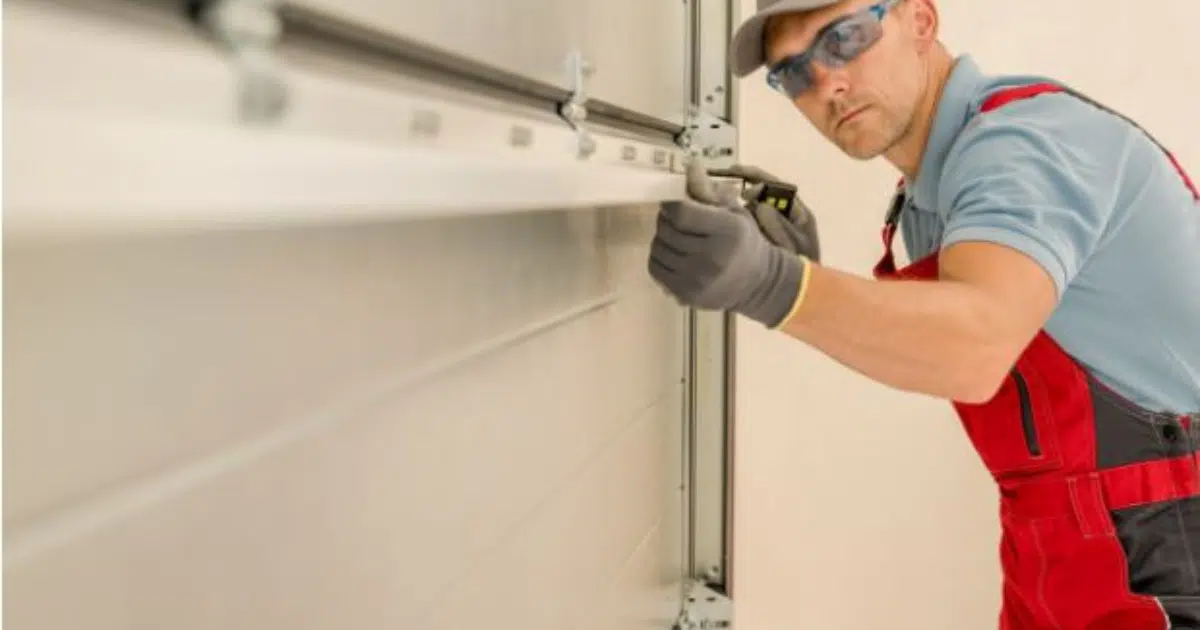
A roll-up door that stops short of fully opening is almost never a random failure. Behind that problem is one of the ten causes outlined above, and most of them come down to wear, corrosion, or maintenance that was delayed too long. For San Francisco property owners dealing with the city’s unique climate conditions, staying on top of door maintenance is not just a good habit. It is the single most effective way to avoid unexpected breakdowns, costly repairs, and the very real security risks that come with a door that will not close all the way.
If a roll-up door is showing any of the warning signs described above, the next smart step is to contact a licensed San Francisco garage door technician for a professional inspection before the problem gets worse. The same level of attention applies to every entry point on a commercial property, including a commercial hollow metal door, which is just as vulnerable to wear and environmental stress if routine maintenance is overlooked.
San Francisco’s Roll-Up Door Problems Deserve a Local Expert Who Knows Them Best
When it comes to trusted, professional garage door service in San Francisco, The Door Doctor stands out as the go-to solution for homeowners and business owners alike. With deep experience handling everything from broken torsion springs and misaligned tracks to full commercial door overhauls, we bring the kind of hands-on expertise that San Francisco properties demand. Our team understands the unique challenges that come with the city’s climate, building types, and urban environment, and delivers reliable, honest service that gets doors working right the first time. Do not let a roll-up door problem turn into a bigger headache. Contact us today or give us a call and get a professional inspection from San Francisco’s trusted garage door experts before a small issue becomes a costly repair.