Commercial doors play a critical role in how commercial spaces function each day. Beyond basic access, they support security, safety standards, and smooth building operations.
- Commercial doors support more than entry and exit in business spaces.
- Proper door function helps maintain building security and safety standards.
- Different commercial doors serve specific operational and access needs.
- Door problems can reduce security or disrupt daily workflows.
- Wear, aging components, or access system issues often cause malfunctions.
- Early identification of door issues helps prevent operational disruption.
- Timely commercial door repair supports safe, consistent building performance.
Understanding how commercial door issues affect building operations helps businesses prioritize commercial door repair to maintain secure access and avoid unnecessary interruptions.
Common Mechanical Issues That Affect Commercial Door Function
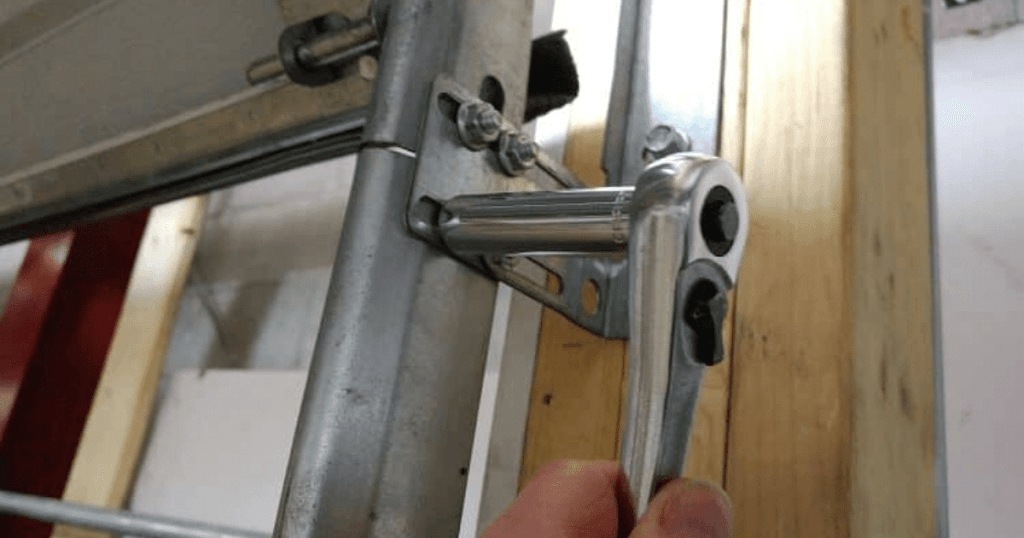
Mechanical issues are a common cause of commercial door performance problems, especially in doors exposed to frequent use. Over time, wear to hinges, closers, frames, and other hardware can affect alignment and smooth operation. When these components fail, doors may become difficult to open or close, disrupt daily workflow, and reduce overall safety. Recognizing mechanical wear early helps limit further damage and supports reliable door function.
To see how proper repairs support day-to-day operations, read How Do Businesses Benefit from Commercial Door Repair?
Misaligned or Sticking Door Panels
Door panels that are misaligned or that stick during operation can quickly disrupt normal business activity. These issues often develop gradually and affect how smoothly a commercial door opens and closes.
- Door panels may drag against the floor or scrape the frame.
- Misalignment can result from building movement, impact, or loose hinges.
- Heavy commercial doors are more prone to alignment issues over time.
- Sticking doors can slow employee movement and customer access.
When door panels no longer align properly, daily operations and first impressions can suffer, making timely correction essential for reliable access.
Worn Hinges and Door Closers Affecting Movement
Hinges and door closers are critical for controlled door movement in commercial spaces. Frequent use can cause these components to wear down and affect overall door performance.
- Worn hinges can cause doors to sag or shift out of position.
- Grinding noises may indicate excessive hinge wear.
- Failing door closers can cause doors to slam or remain partially open.
- Inconsistent movement can affect both safety and ease of use.
Addressing worn hardware helps restore smooth door operation and supports safe, dependable access throughout the building.
Structural Frame Issues That Prevent Proper Closure
A commercial door relies on a properly aligned frame to close and seal correctly. Damage to the frame can prevent the door from latching and securing the entryway.
- Bent or damaged frames can create gaps around the door.
- Improper closure may prevent locks from engaging fully.
- Frame issues can reduce security and interior environmental control.
- Poor sealing can affect controlled conditions within the building.
Restoring proper frame alignment helps ensure secure closure for sectional doors and supports the safety and functionality of commercial entryways.
Locking and Access Problems Requiring Commercial Door Repair
Locking and access control issues can significantly affect the security of a commercial building. When locks or access systems fail to operate properly, they may allow unauthorized entry or prevent proper door closure. Malfunctions can also disrupt controlled access and interfere with daily operations. Addressing these issues helps restore secure entry points and supports reliable door performance across commercial spaces.
For a closer look at maintaining dependable entry systems, explore How Commercial Door Repair Improves Access Reliability.
Inconsistent Locking Mechanisms That Reduce Security
Locks that function inconsistently can weaken overall building security and create uncertainty about whether entry points are truly secured. Even occasional failures can leave commercial spaces exposed.
- Keys may be difficult to insert or turn smoothly.
- Deadbolts may fail to extend or retract fully.
- Latches may not catch even when the door appears closed.
- Misalignment or internal wear can affect lock reliability.
When locking mechanisms fail to perform consistently, secure access cannot be assured, increasing vulnerability across commercial environments.
Doors That Fail to Latch or Stay Secure
Doors that do not latch properly present a serious functional and safety concern. Without secure closure, doors cannot provide dependable protection or controlled access.
- Misaligned strike plates can prevent proper latching.
- Internal latch components may wear or break over time.
- Door closers may lack sufficient force to secure closure.
- Frequent use can accelerate latch-related wear.
Ensuring doors latch securely is essential for maintaining safe entryways and protecting both occupants and property.
Access Control Components That Do Not Respond Properly
Electronic access control systems are designed to regulate entry, but failures can quickly disrupt both security and daily operations. Even intermittent issues can create access uncertainty.
- Card readers or keypads may fail to register credentials.
- Electric strikes or magnetic locks may not engage correctly.
- Power or wiring issues can interrupt system response.
- Inconsistent performance can delay or block authorized access.
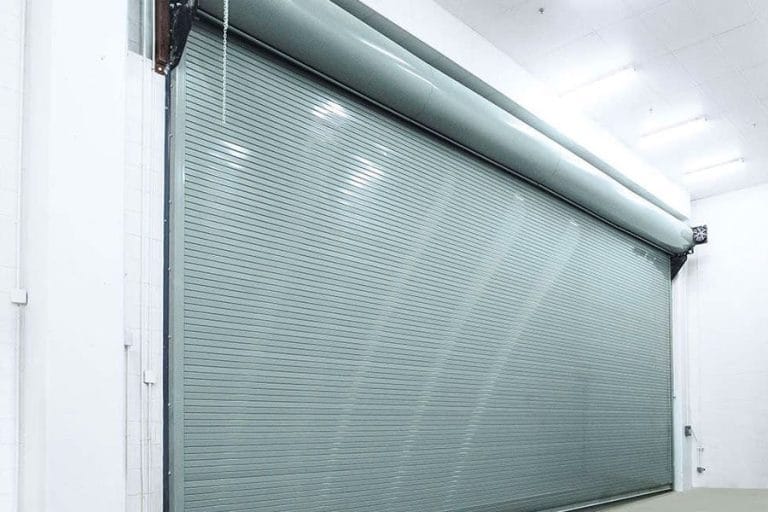
When access control components do not respond as intended, insulated overhead door systems and other commercial doors may remain unsecured or restrict necessary entry, affecting safety and workflow.
Environmental and Usage-Related Door Performance Issues
Commercial doors experience ongoing wear from environmental exposure and frequent use within busy buildings. Different door types respond differently to these conditions, with seals, surfaces, and mechanical components gradually breaking down over time. High-traffic areas can accelerate wear, leading to issues such as deteriorated weatherstripping, reduced energy efficiency, and structural damage. Recognizing the impact of exposure and usage helps explain why these doors may require attention to maintain reliable performance.
To understand how timely repairs help prevent operational slowdowns, read When Commercial Door Repair Reduces Downtime Risks.
Deteriorated Weatherstripping Affecting Door Sealing
Weatherstripping plays an important role in sealing commercial doors against outside elements. When it wears down, the door may no longer protect the interior environment effectively.
- Worn weatherstripping can allow air leaks around the door edges.
- Gaps in the seal may reduce interior temperature control.
- Sun exposure and moisture can cause cracking or hardening of seal materials.
- Failed seals may allow dust, water, or pests to enter the building.
Deteriorated weatherstripping reduces door efficiency and can affect comfort, cleanliness, and overall door performance.
Wear From High-Traffic Use Impacting Door Operation
Commercial doors in busy areas experience constant movement throughout the day. Repeated use places ongoing stress on both structural and moving components.
- Frequent opening and closing accelerate hardware wear.
- Hinges may loosen or shift under repeated weight load.
- Door closers can lose control over a consistent closing motion.
- Locks and latches may wear down from repeated engagement.
High-traffic wear can gradually reduce door reliability and disrupt smooth daily operation if left unaddressed.
Exposure-Related Damage That Affects Door Reliability
Exterior commercial doors are regularly exposed to weather and environmental conditions. Over time, this exposure can weaken materials and affect how the door functions.
- Moisture exposure may lead to corrosion or surface deterioration.
- Sunlight can contribute to fading or material breakdown.
- Temperature changes may cause warping or misalignment.
- Environmental damage can affect both movement and secure closure.
Exposure-related damage can compromise roll-up door reliability, security, and long-term performance in commercial environments.
Safety and Accessibility Concerns Linked to Door Malfunctions
Commercial doors play an important role in building safety and accessibility, not just everyday convenience. When doors fail to operate properly, they can restrict entry or prevent safe exit during urgent situations, creating serious safety concerns. Reliable door function supports clear exit paths and accessible entryways, helping commercial spaces maintain safe movement for all occupants.
Emergency Exit Devices That Do Not Operate as Intended
Emergency exit devices are designed to allow fast, unobstructed exit during urgent situations. When these components fail, they can prevent safe egress and create serious risks.
- Panic or push bars may fail to retract internal latches.
- Misaligned doors can prevent exit hardware from engaging properly.
- Worn internal mechanisms can limit smooth, single-motion operation.
- Door closers may interfere with proper exit door function.
Exit devices that do not operate correctly can block emergency pathways and compromise occupant safety.
Door Operation Issues That Obstruct Safe Egress
Safe egress depends on more than emergency hardware alone. Every door along an exit path must open smoothly and without resistance.
- Doors that stick or bind can delay exit movement.
- Bent frames may cause doors to jam during use.
- Malfunctioning closers can restrict or force door movement.
- Uneven thresholds can slow or disrupt foot traffic.
Door operation issues along exit routes can increase risk during emergencies and affect overall building safety.
Accessibility-Related Performance Problems in Entryways
Accessible entryways rely on consistent door performance to support equal access. When accessibility-related components fail, entry and exit can become difficult for some occupants.
- Automatic openers may fail to activate when needed.
- Push plates or sensors may not respond consistently.
- Doors may require excessive force to open manually.
- Entryway operation may no longer align with accessibility requirements.
Maintaining proper entryway performance helps ensure safe, inclusive access and supports a positive experience for all building occupants.
Why Early Commercial Door Repair Supports Safe, Reliable Operations
Addressing commercial door repair issues early supports building safety, security, and smooth daily operations. Problems such as misalignment or locking failures can disrupt access and increase risk if left unresolved. Understanding how usage levels and environmental factors affect door performance helps maintain reliable entry and exit. Keeping commercial doors functioning properly contributes to a safer, more efficient workplace.
For businesses that need dependable support with commercial door performance, The Door Doctor is a trusted resource known for focused expertise and attention to operational reliability. Our team understands how door issues affect day-to-day business flow and works to support secure, consistent access across commercial environments. Contact us today or give us a call to learn how professional commercial door repair can help keep your operations running smoothly.